Congressional Black Caucus Foundation Annual Legislative Conference 2026
Thank You, Washington, D.C.
Grateful for the leaders, organizers, and neighbors who made September 18 possible.
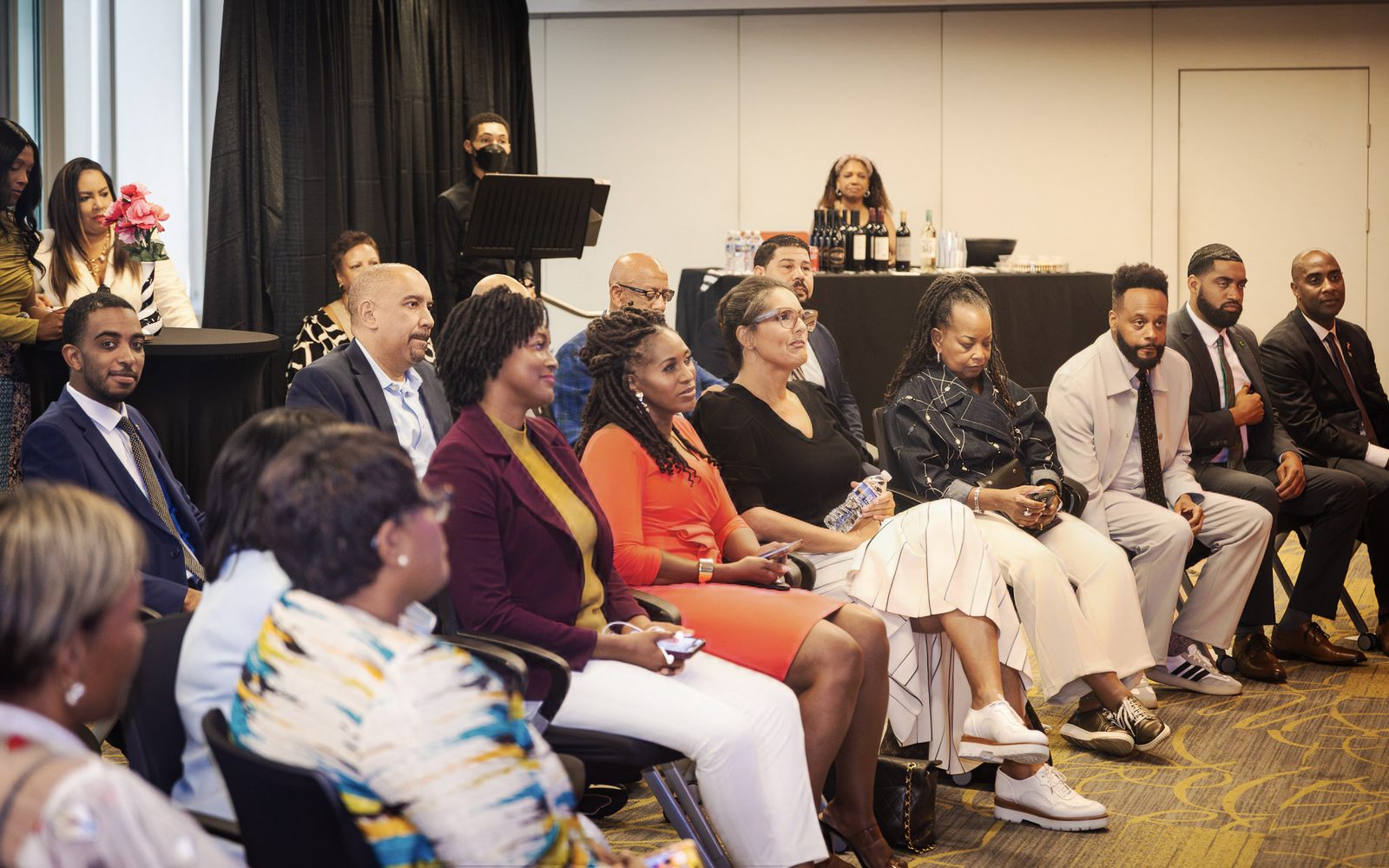
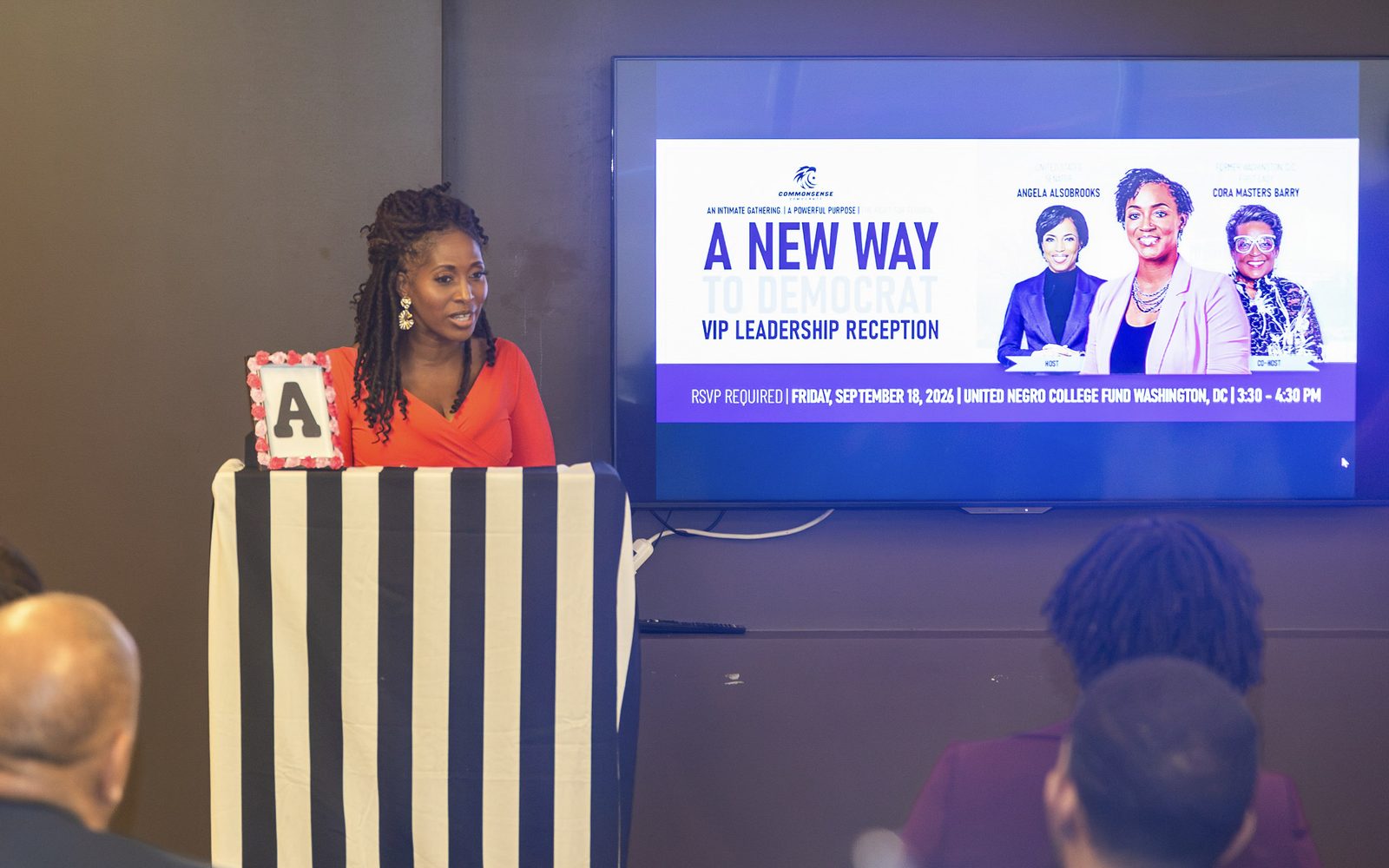
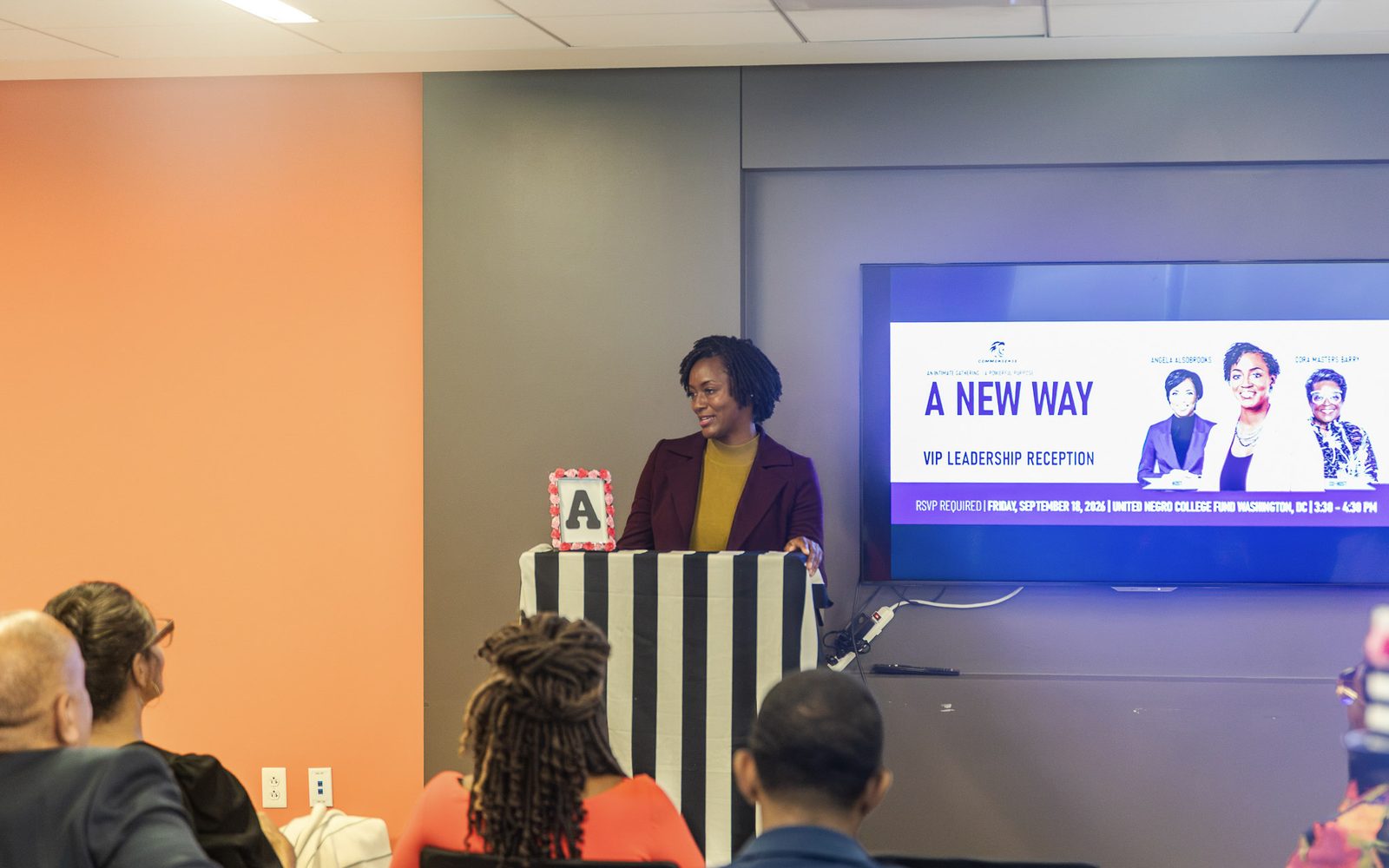
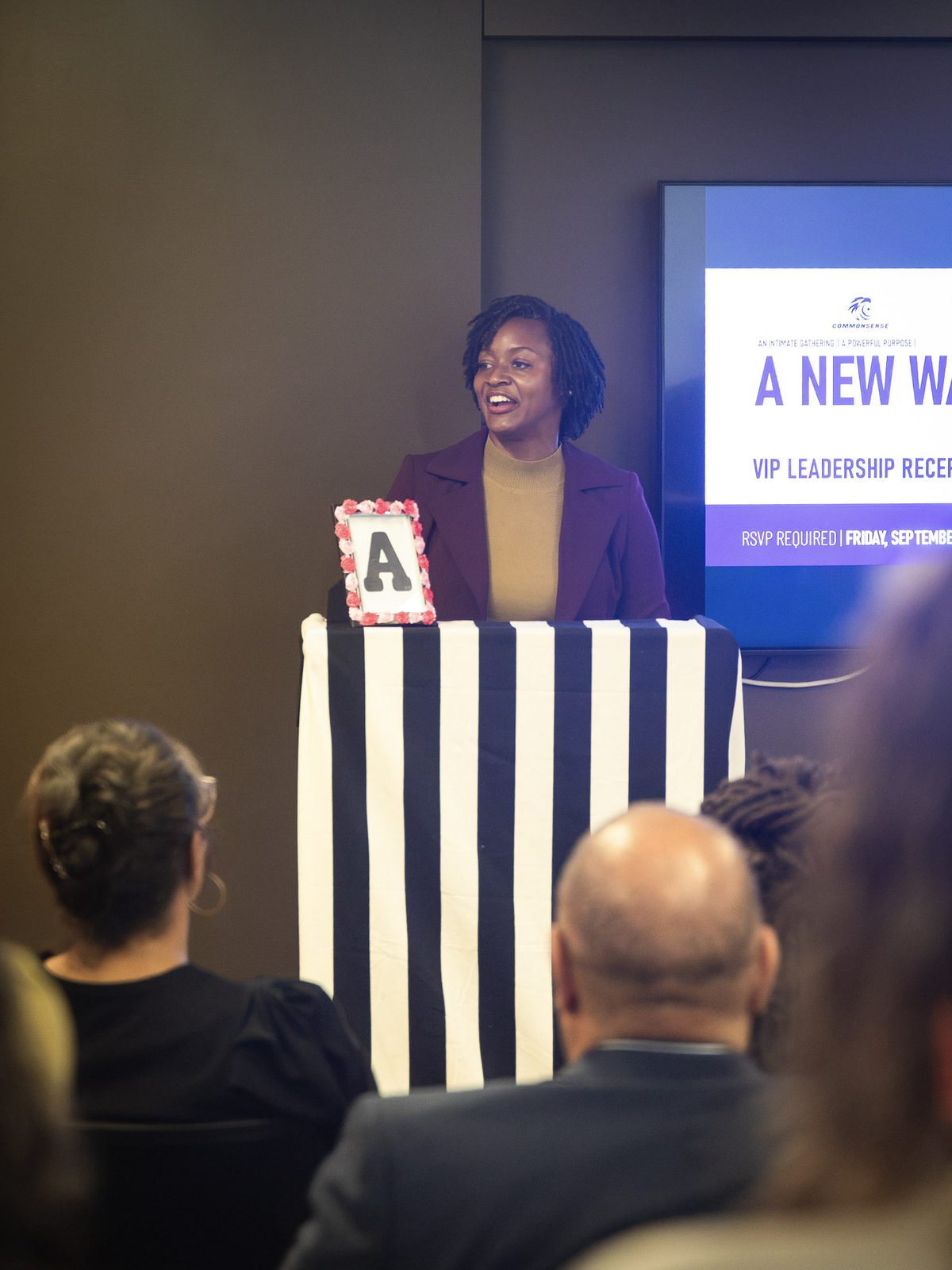
Reception Recap
Two Rooms. One Movement.
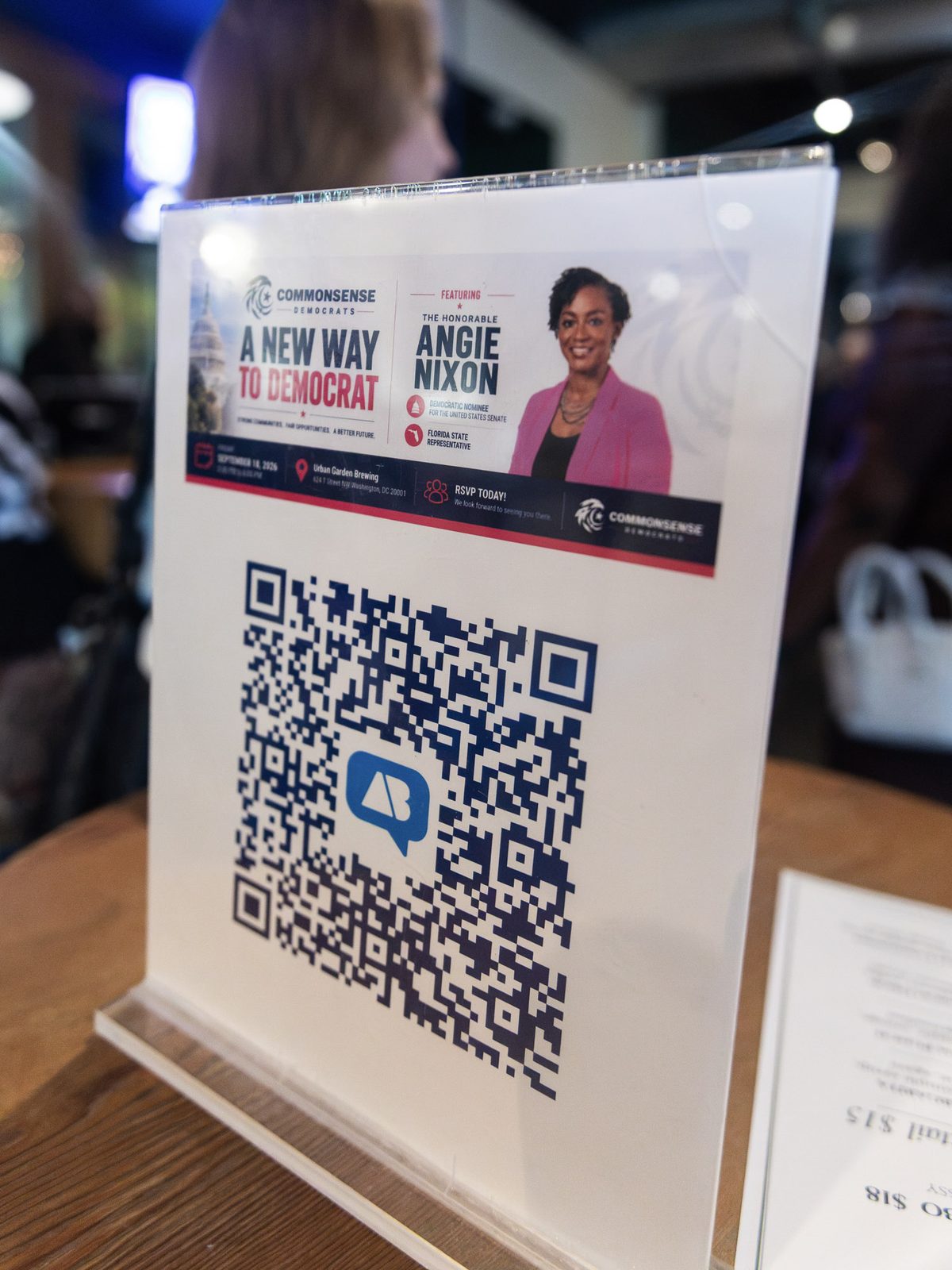
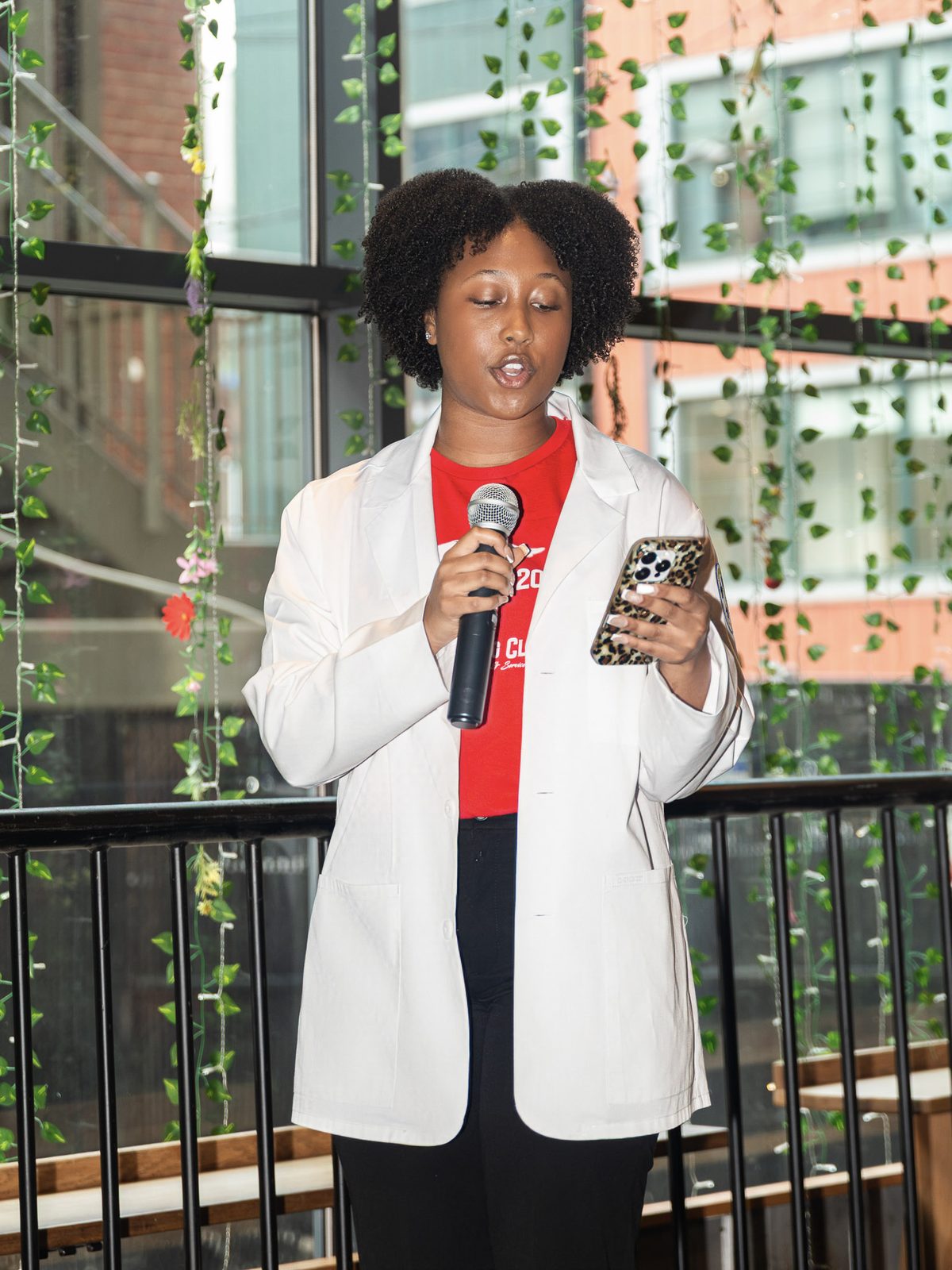
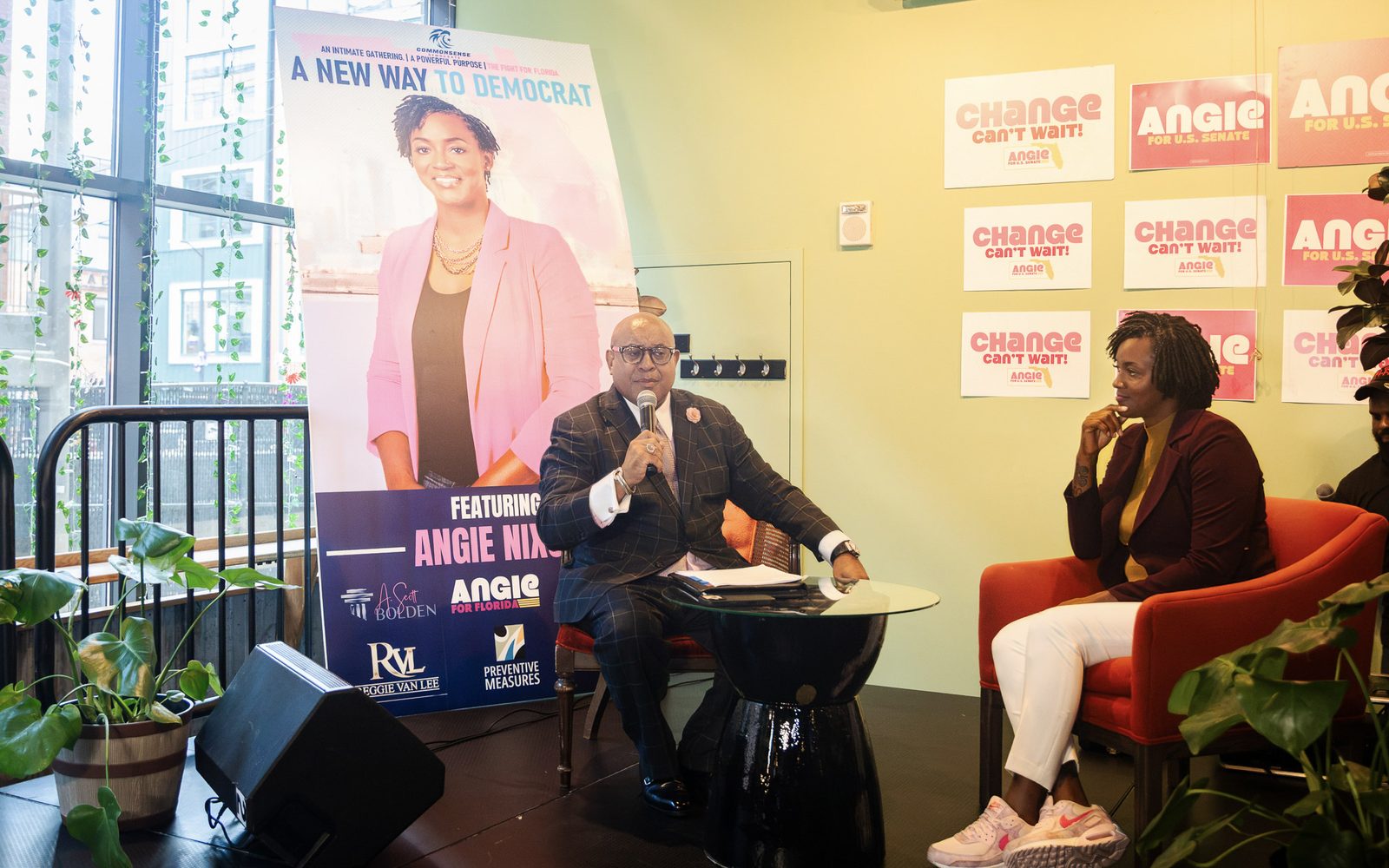
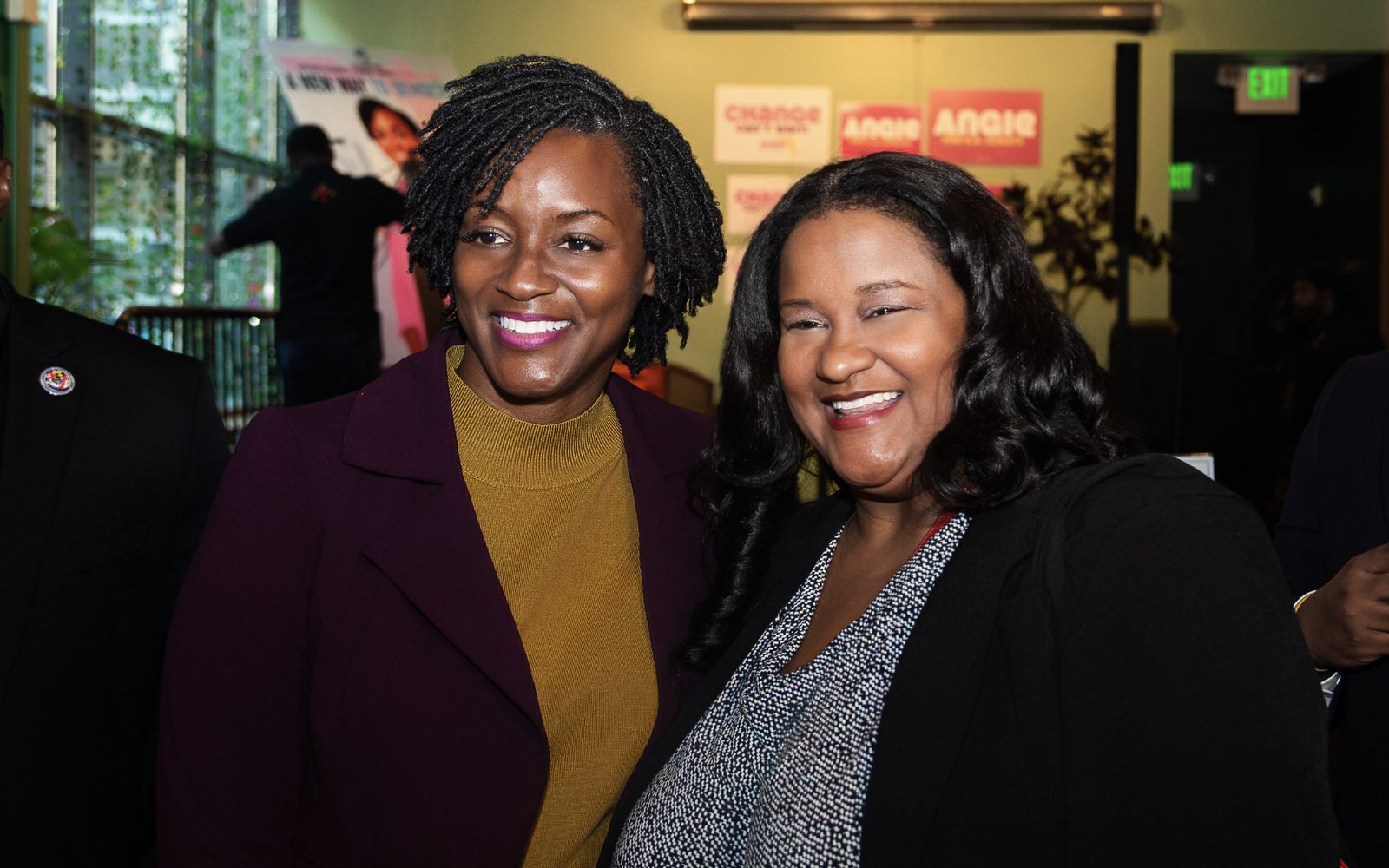
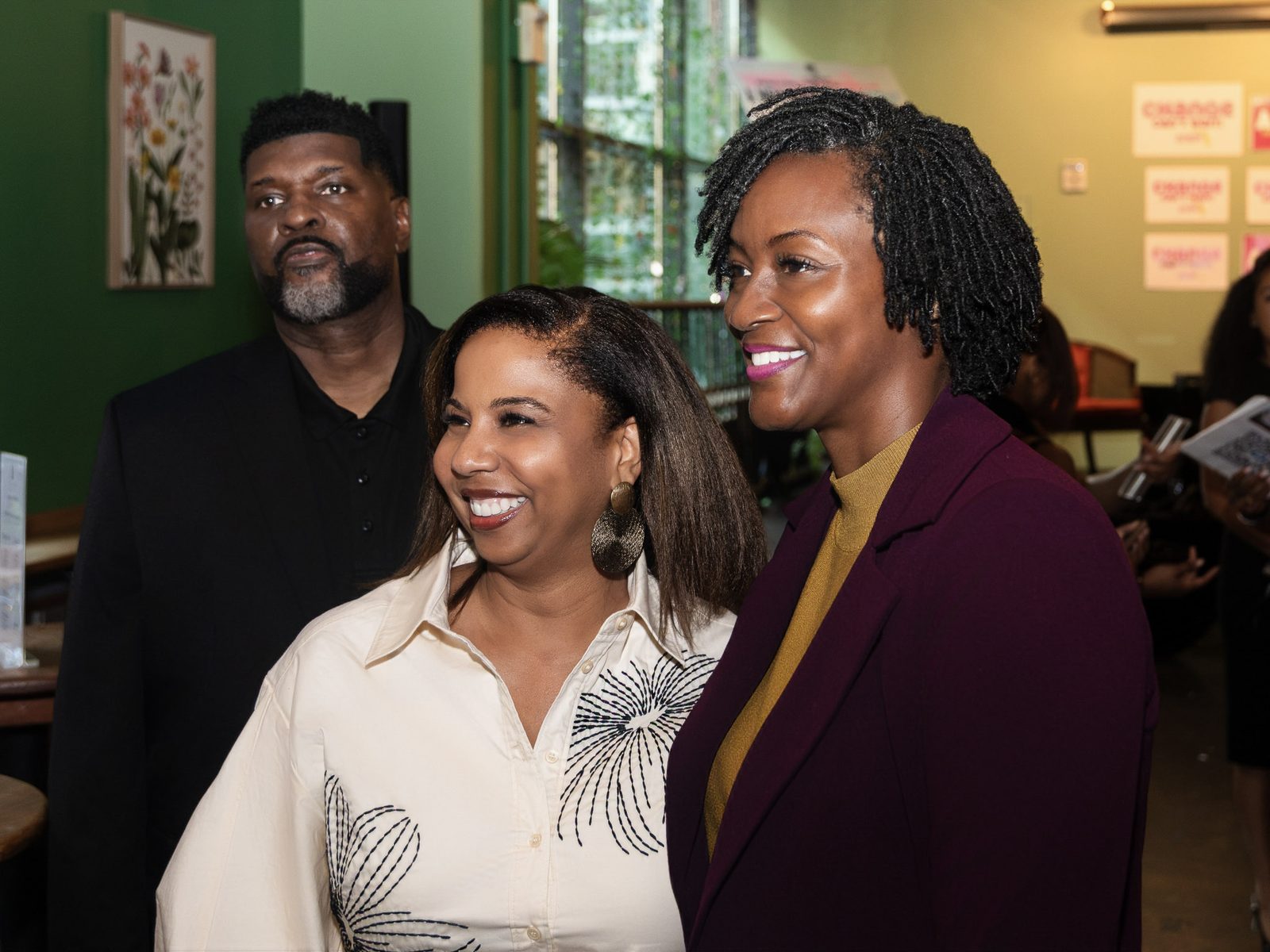
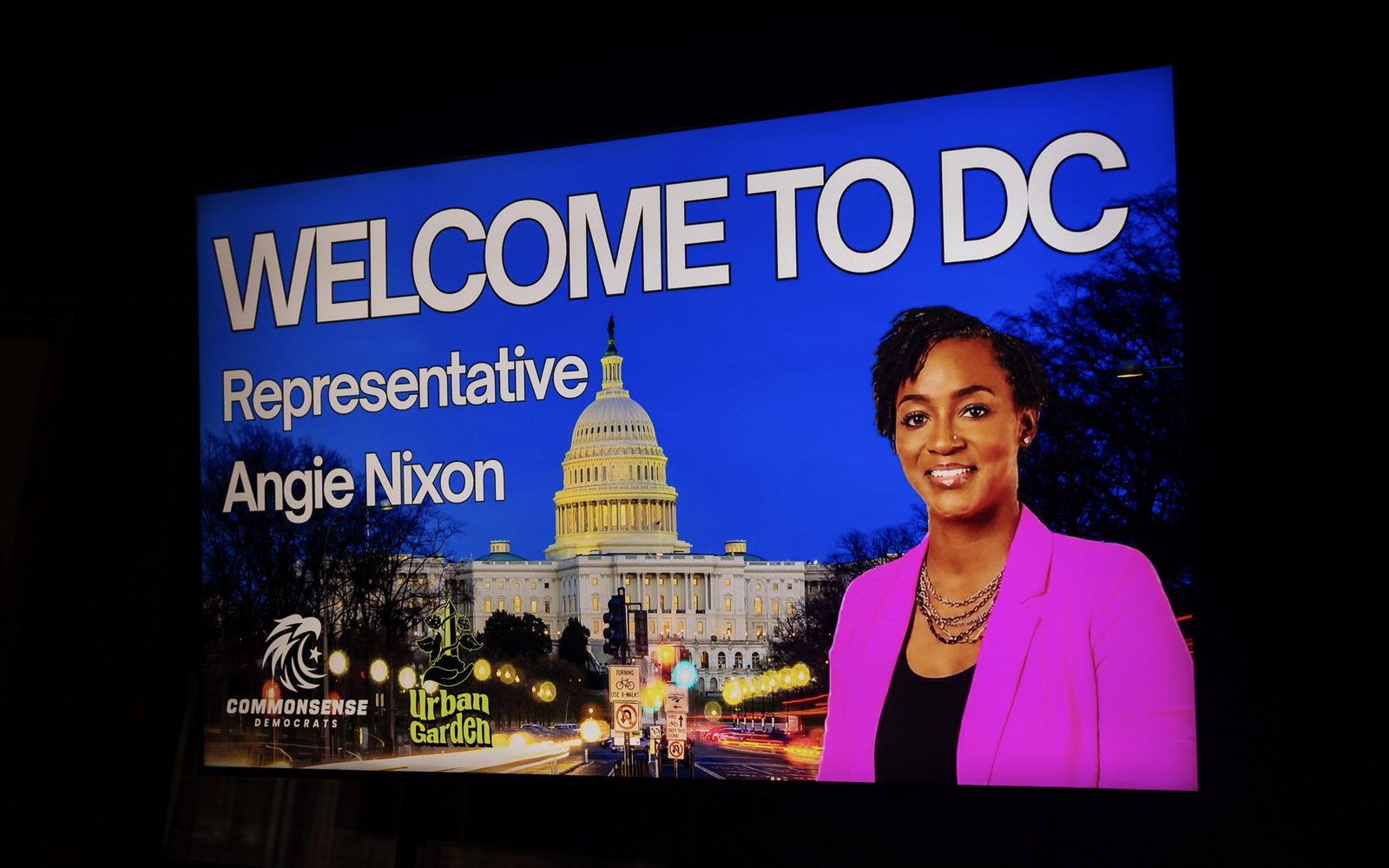
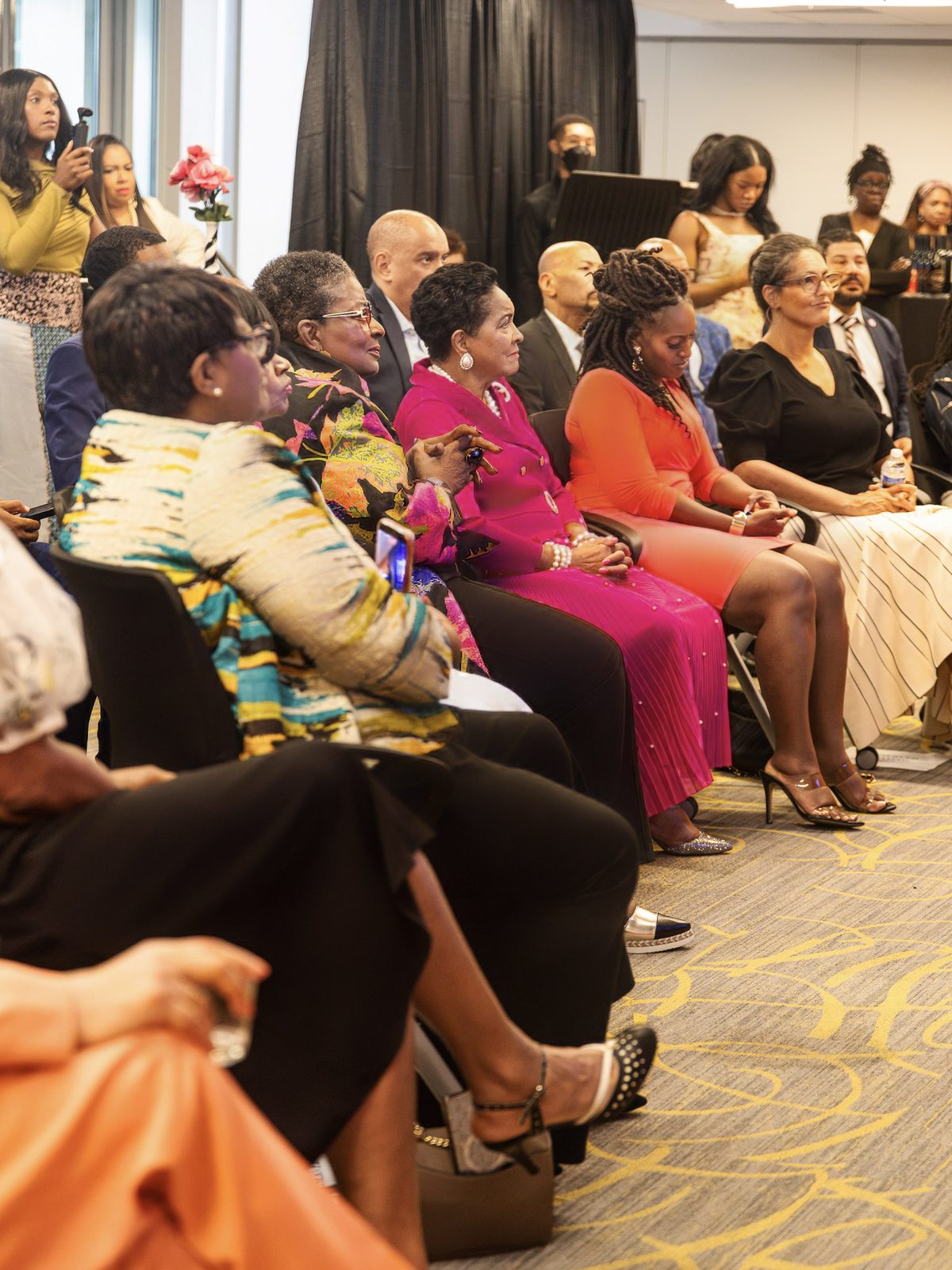
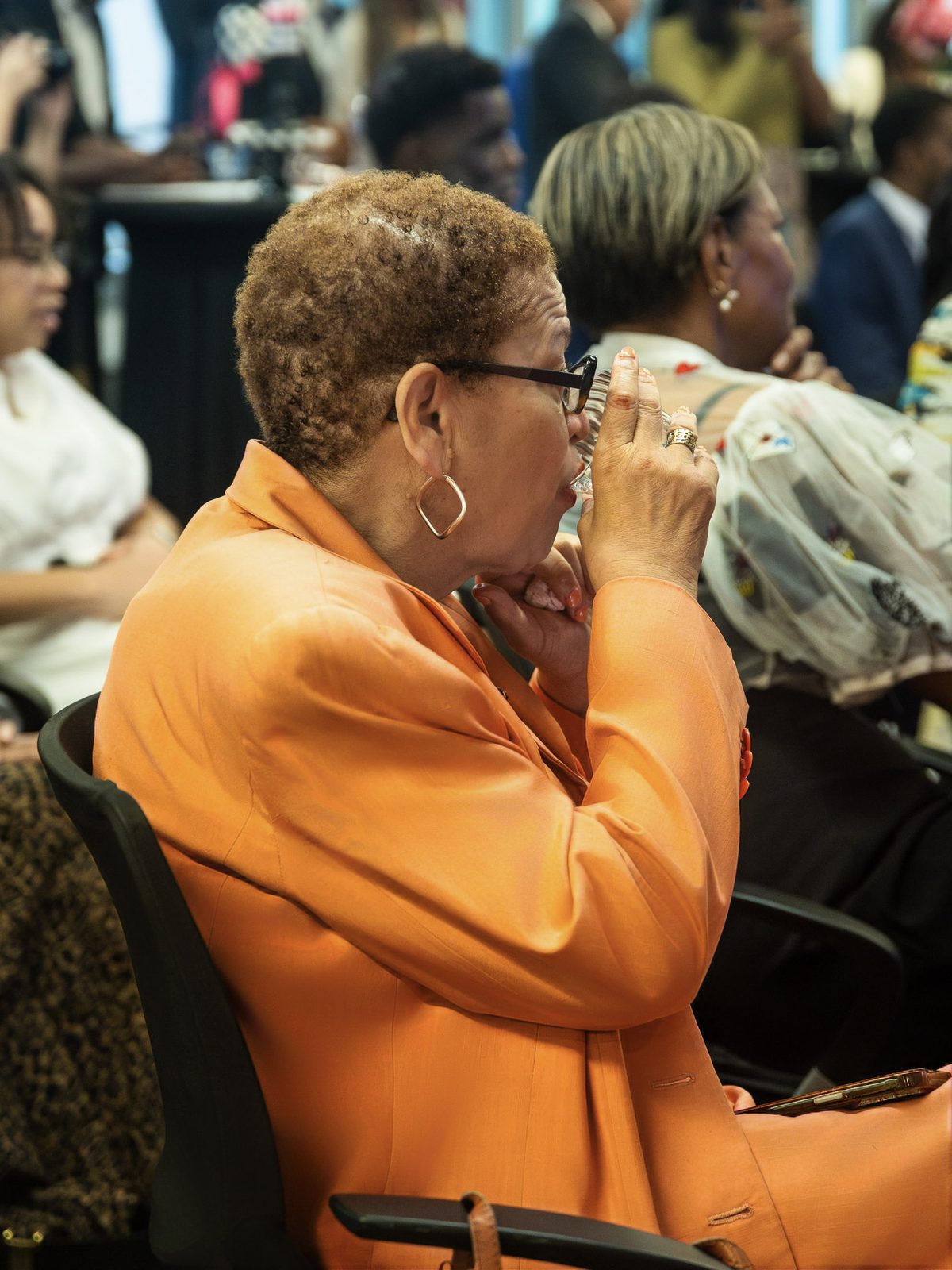
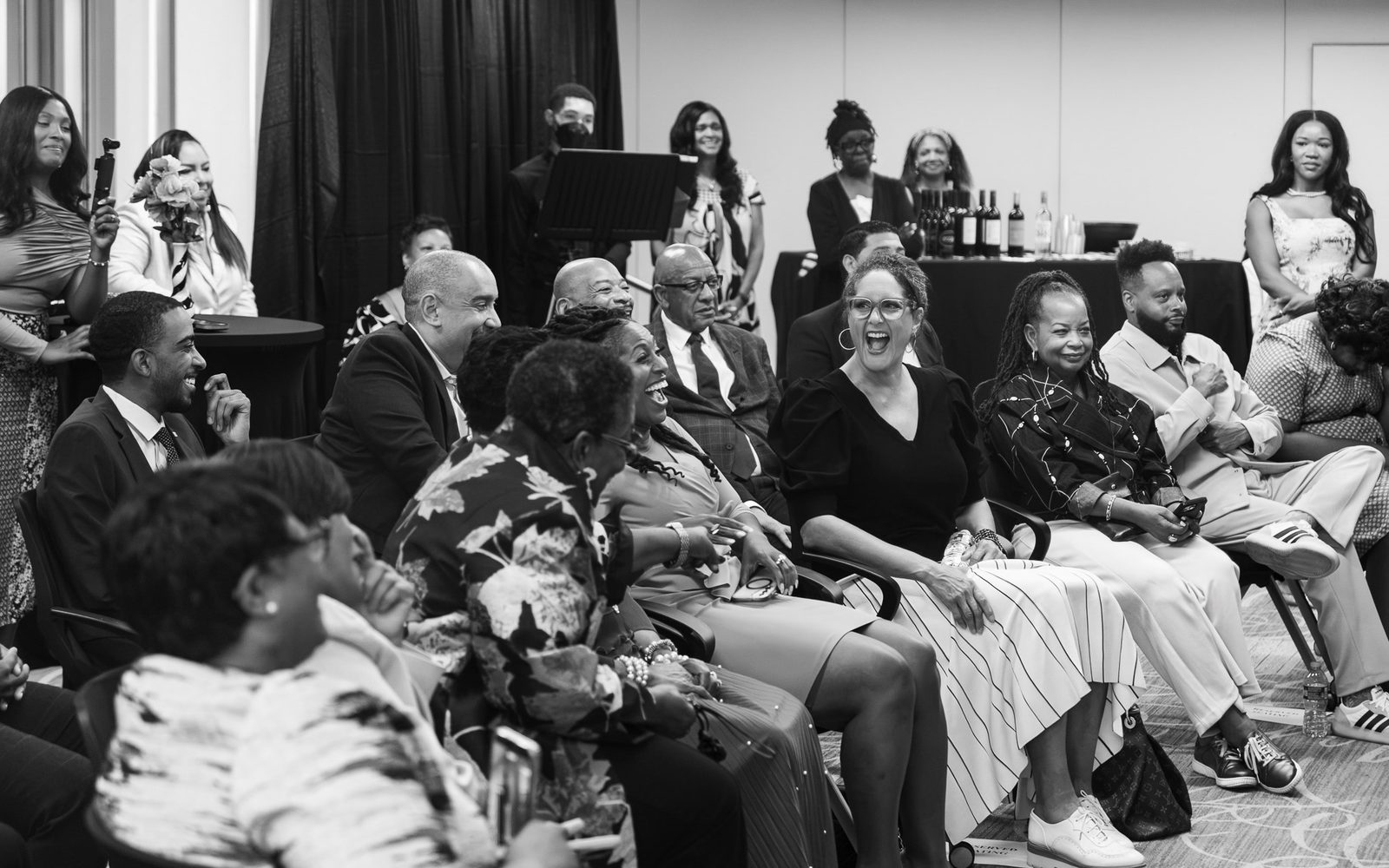
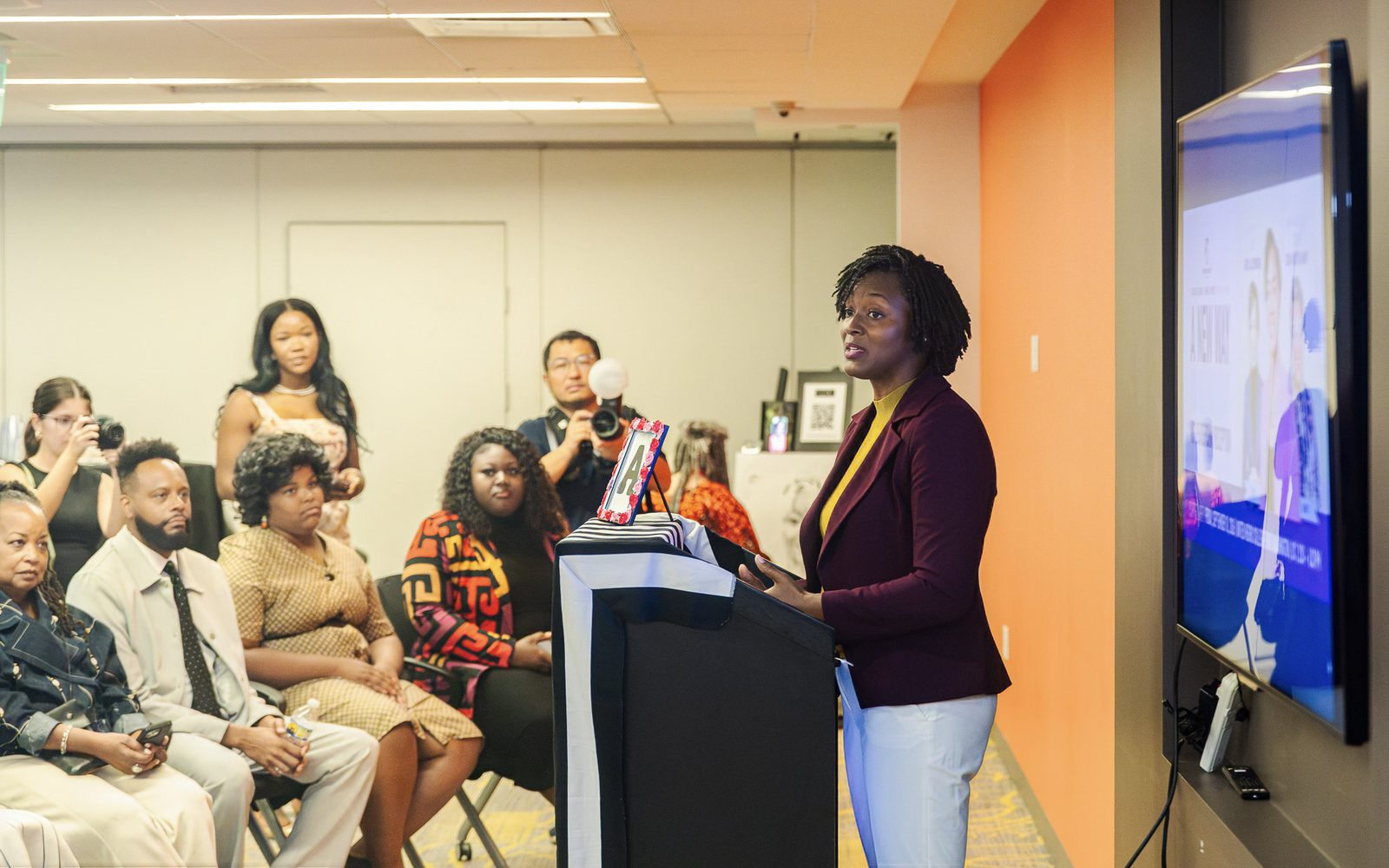
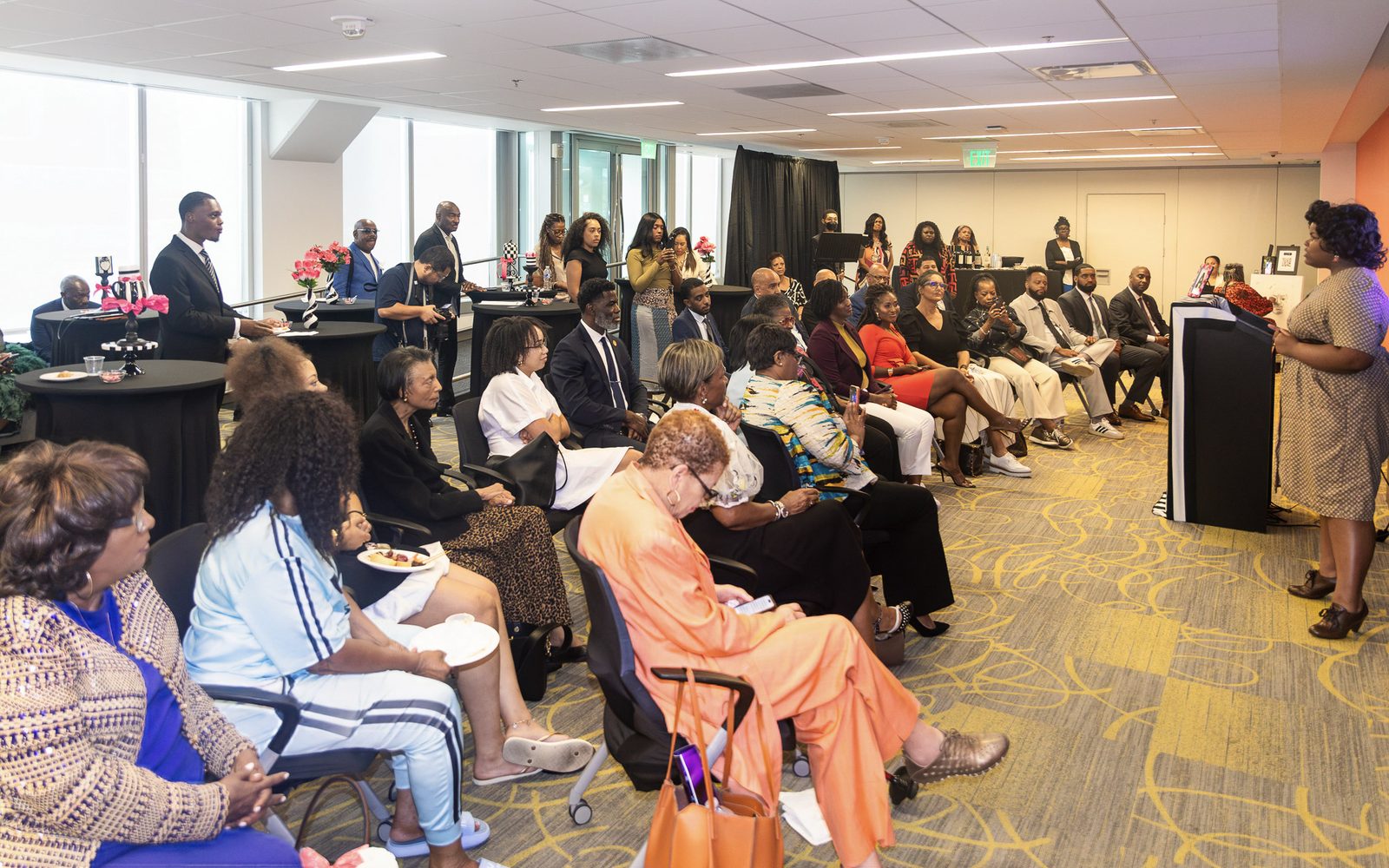
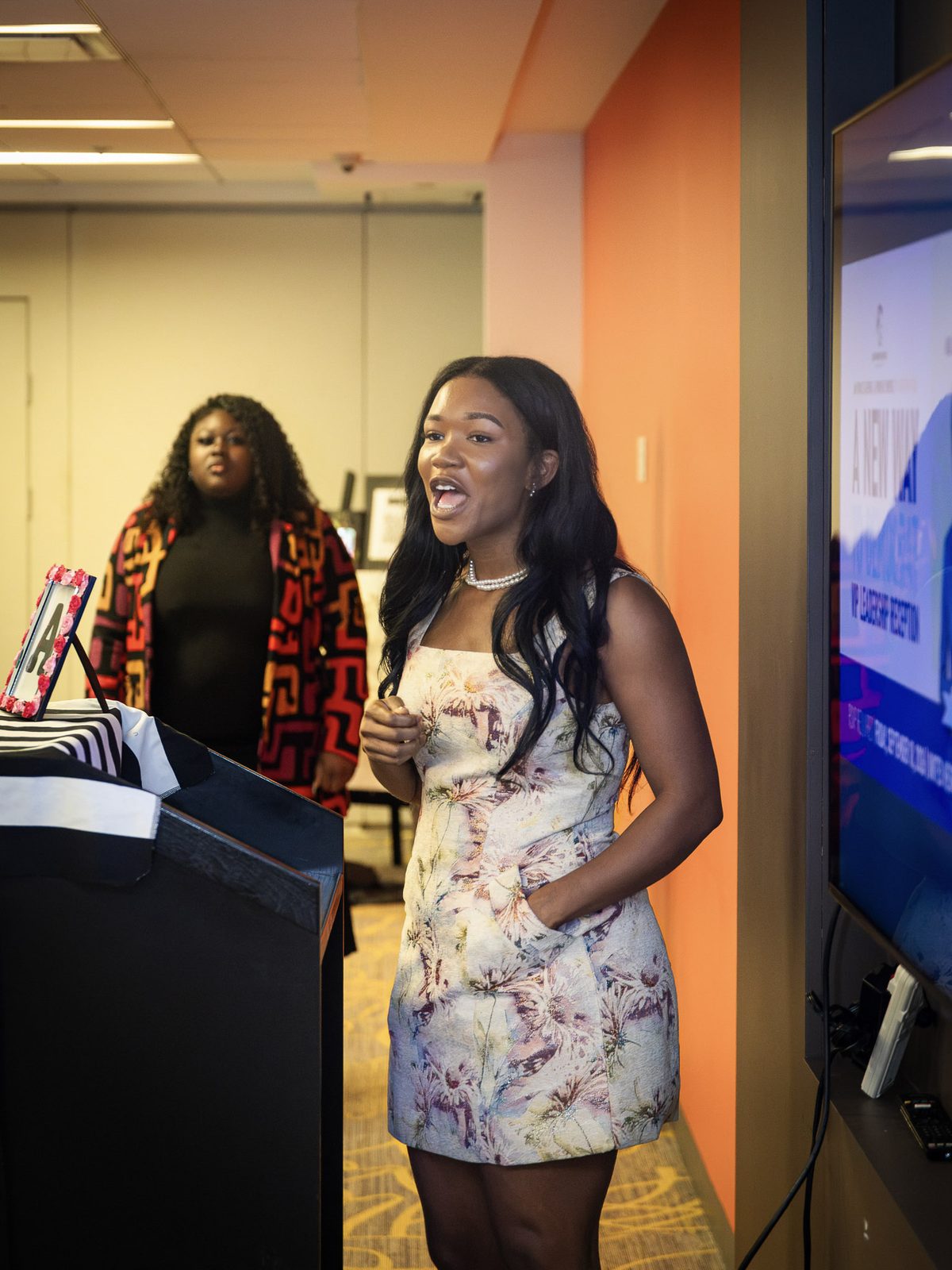
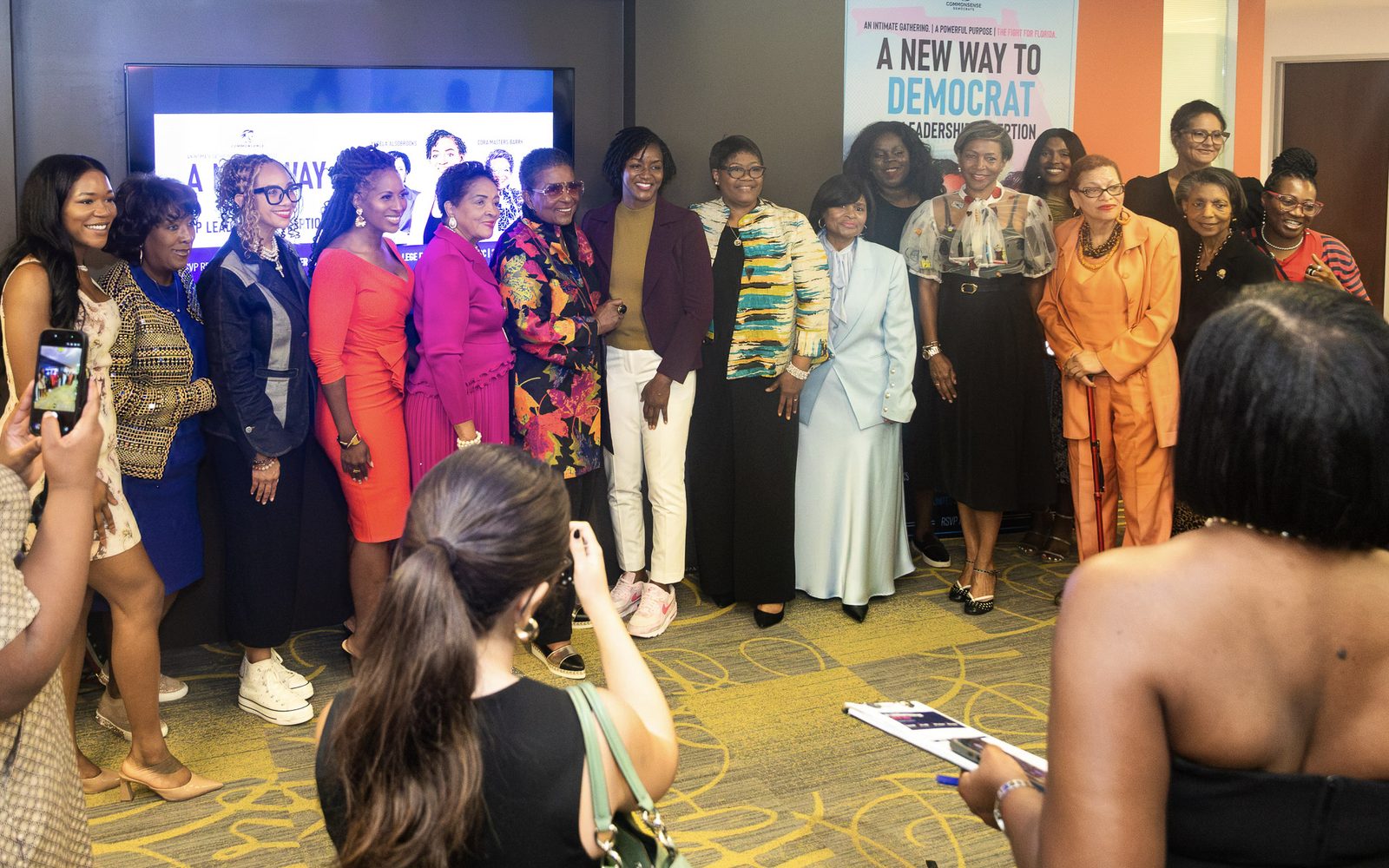
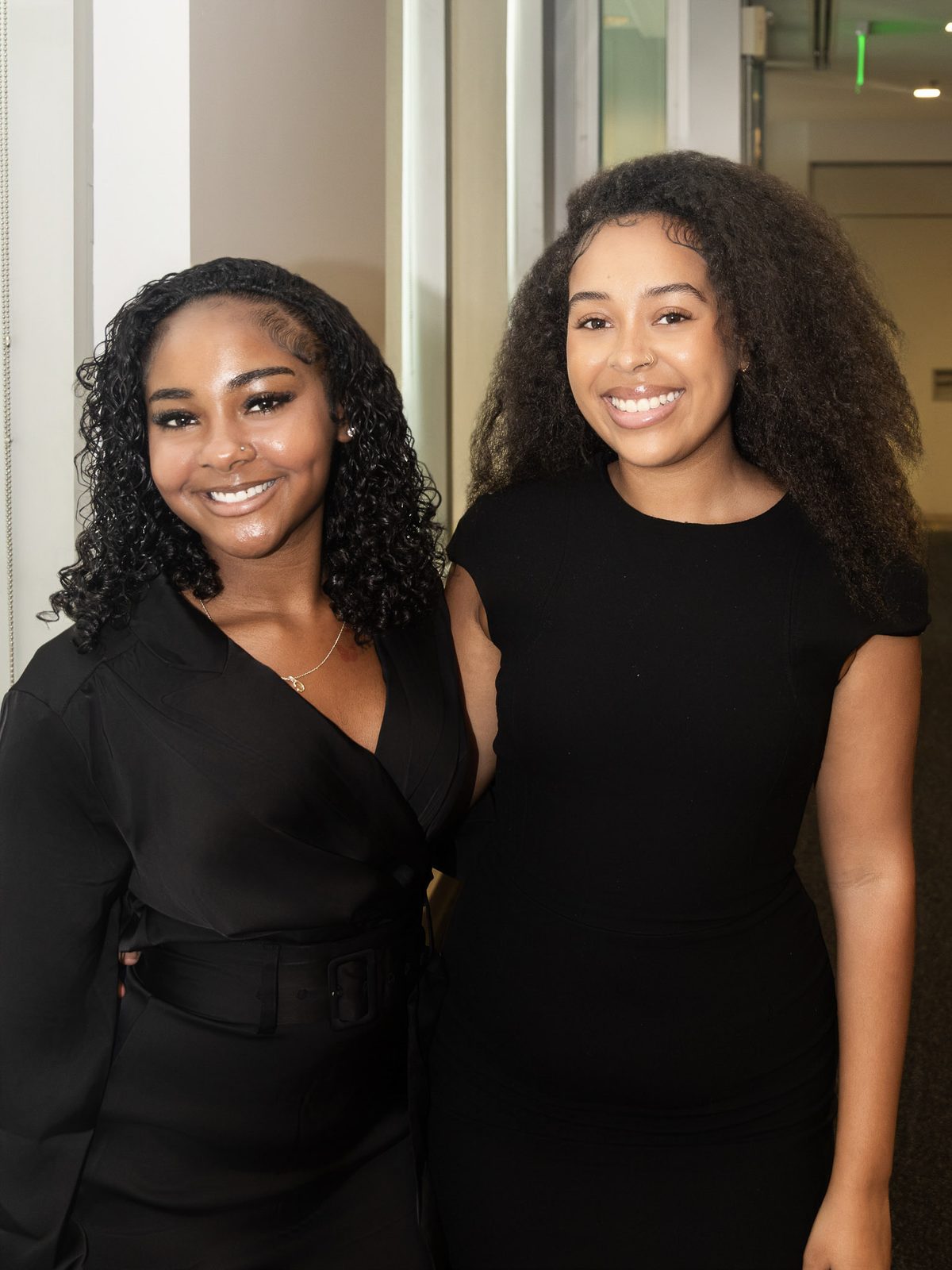
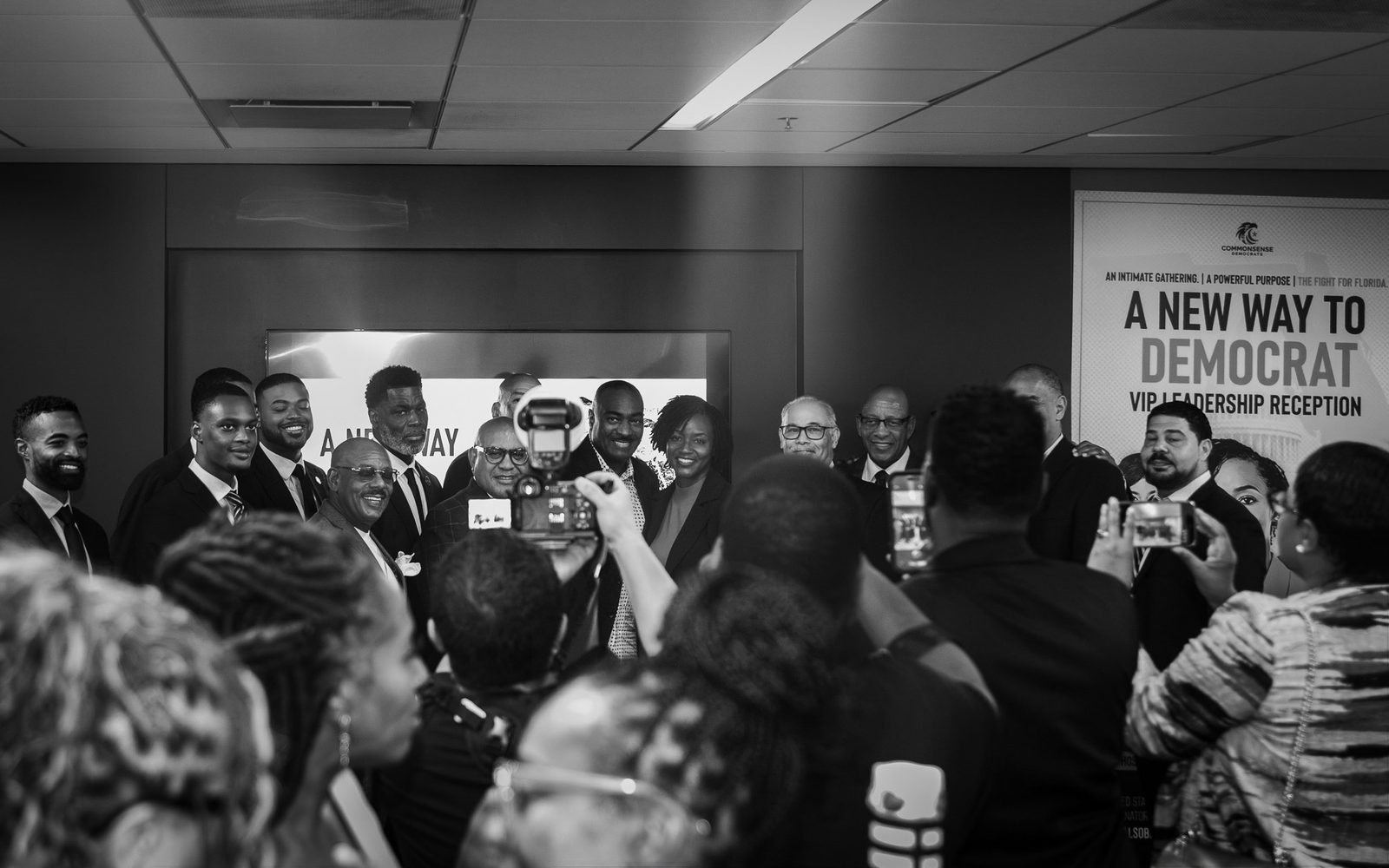
Photos from an afternoon in Washington, D.C. that brought neighbors, organizers, and elected leaders into the same conversation.
















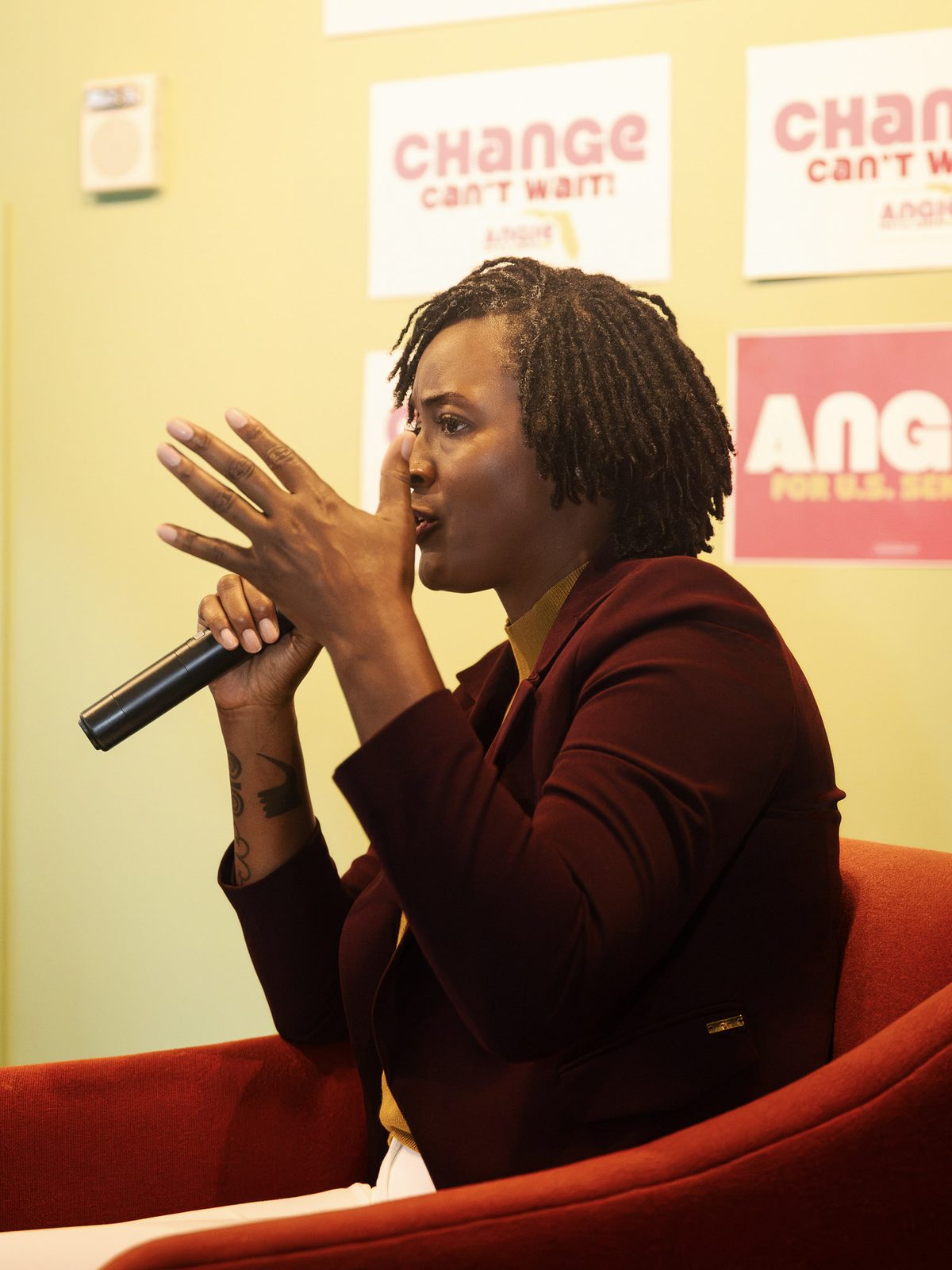
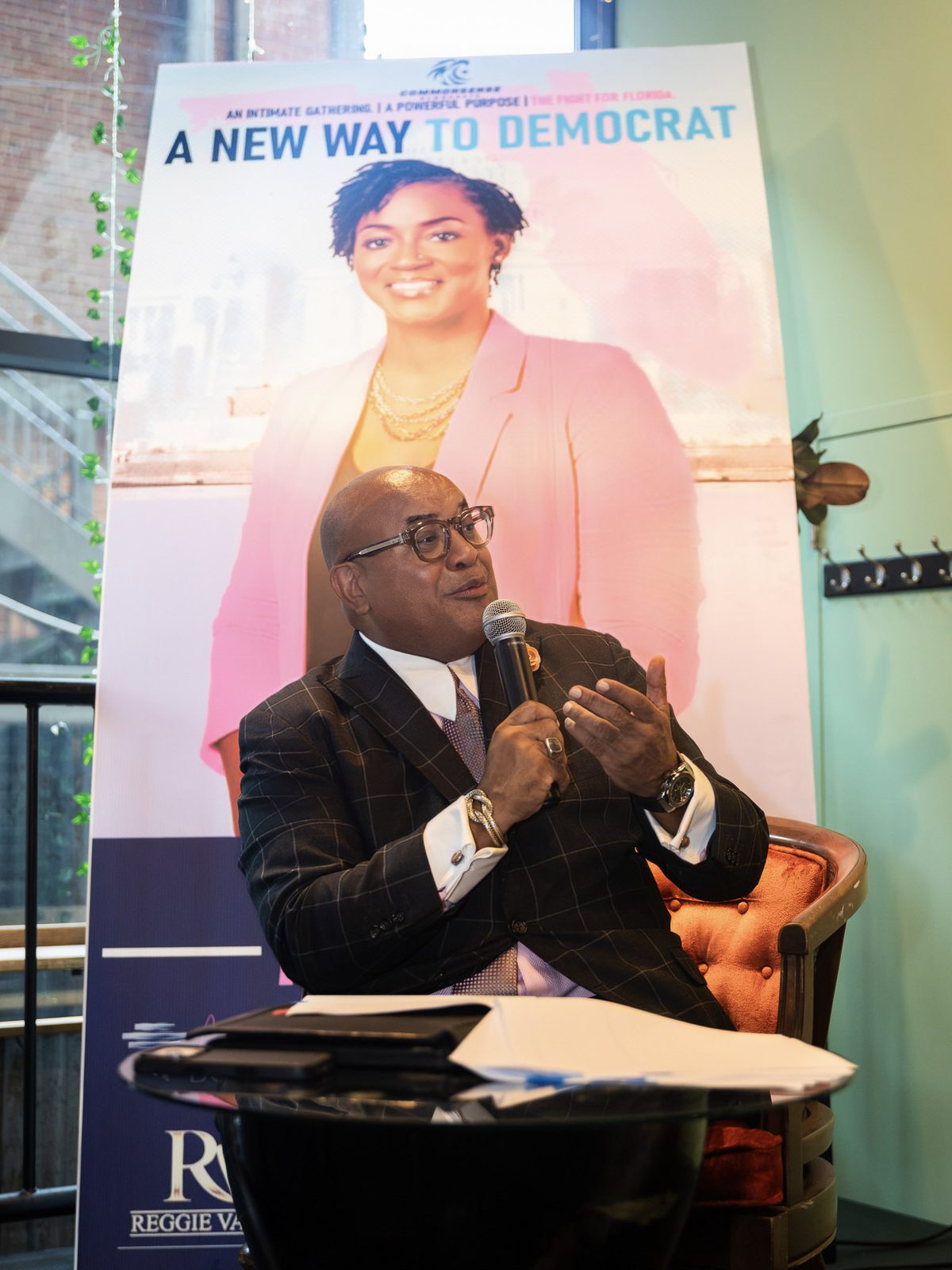
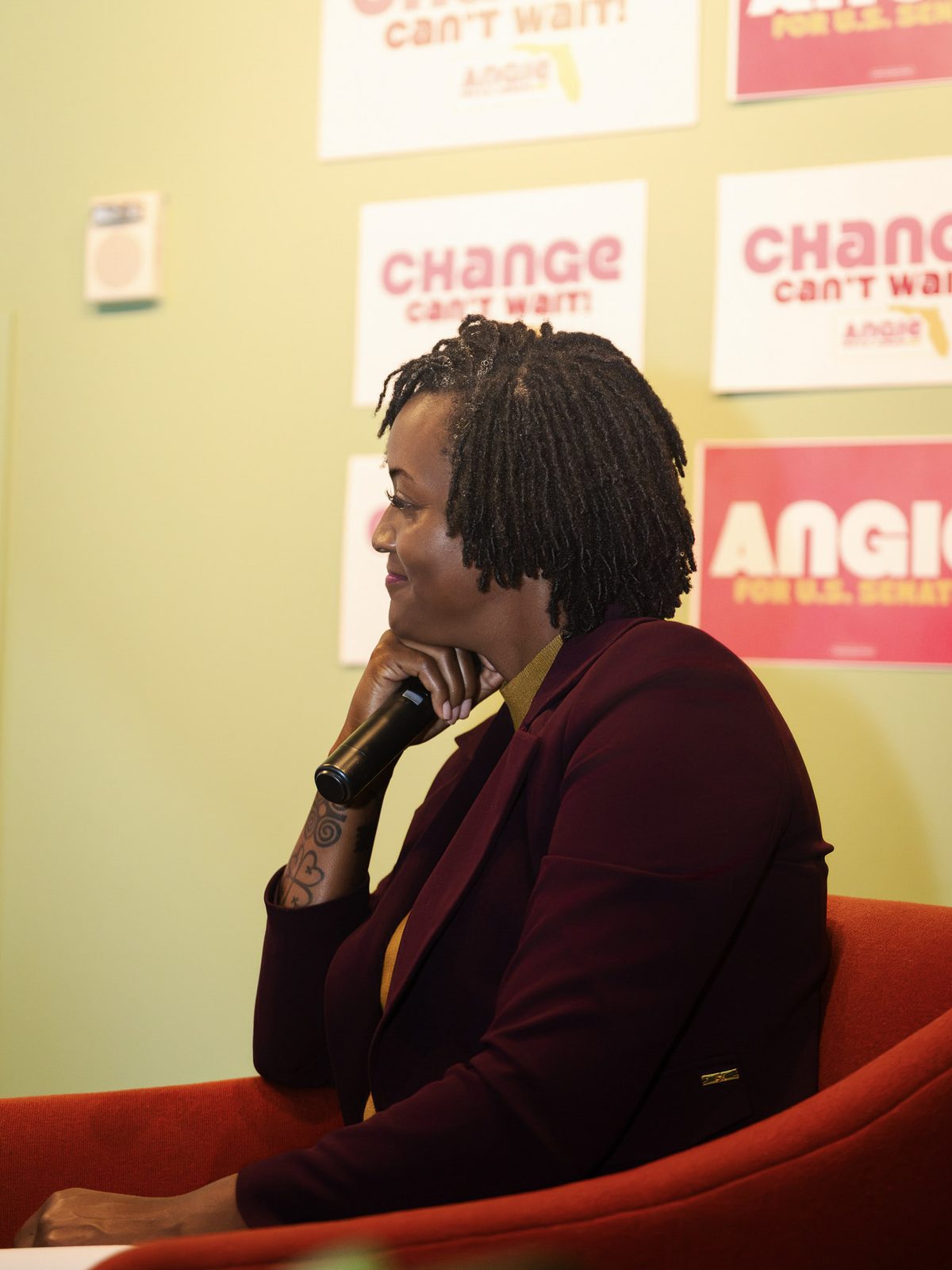
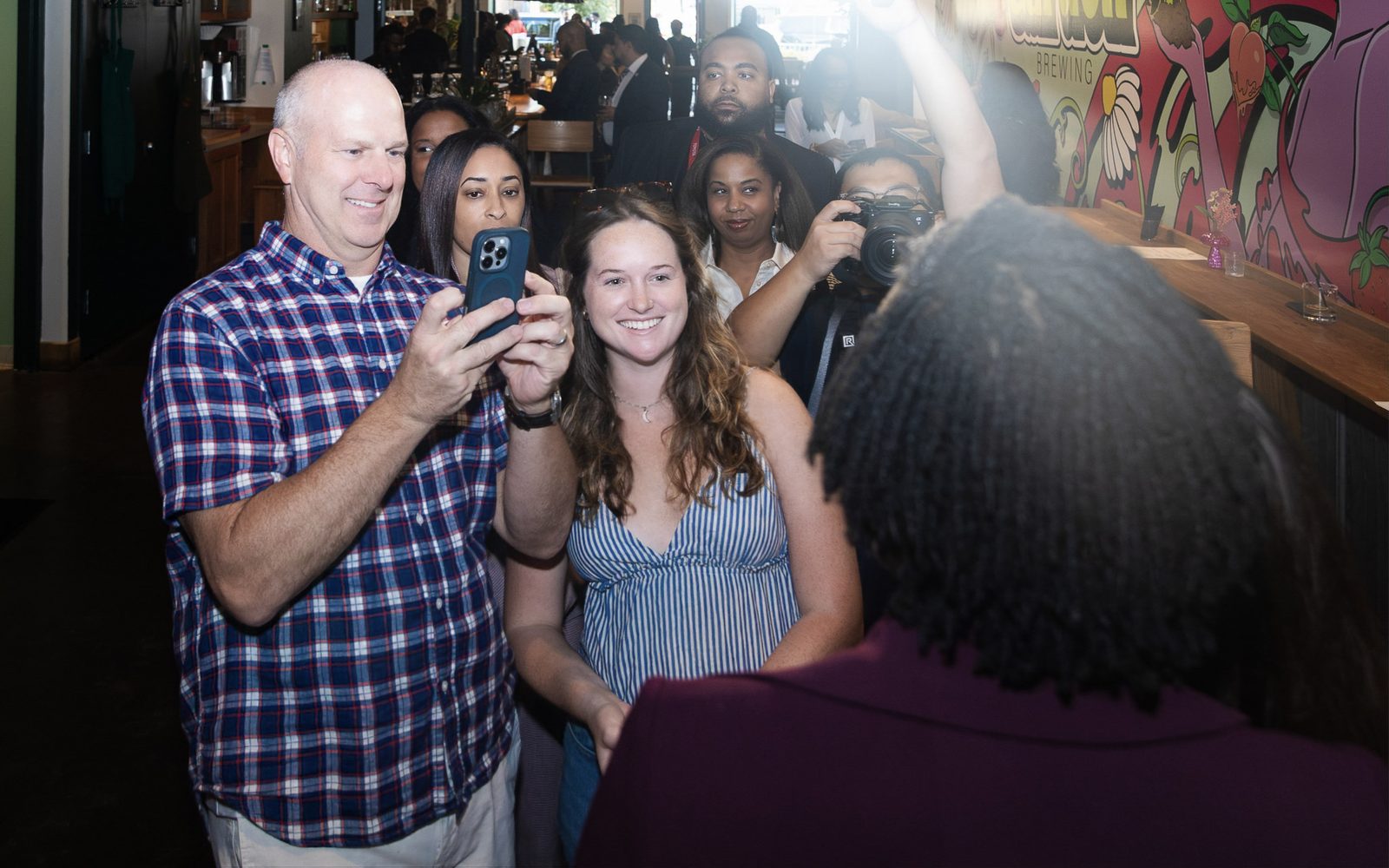













With Gratitude
Thank You to Our Sponsors
This afternoon was possible because of leaders who believe in a new way to Democrat. We are grateful to the partners below and to the campaign of Angie Nixon.






Host Committee
Thank You to Our Host Committee
Our host committee opened their doors, their networks, and their time to make this reception a reality. We are grateful to each of them.
U.S. Senator Angela Alsobrooks
MD
Cora Masters Barry
Forever D.C. First Lady
Hon. Sputty Cephas
MD
Hon. Brian Cunningham
NY
Hon. Hamilton Grant
SC
Hon. Jeremy Gray
AL
Hon. Chioma Iwuoha
DC
Hon. Shireka McCarthy
MD
Hon. Oye Owolewa
DC
Hon. Zachary Parker
DC
Hon. Jacque Patterson
DC
Hon. Denise Roberts
MD
Hon. Keith Sydnor
MD
Hon. Deon Tedder
SC
Hon. LaTasha Ward
MD
Hon. Rahsheim Wright
MD
Hon. RaShon Young
FL
Keep the Momentum
The reception ended. The fight for Florida is just beginning.
Angie Nixon is running for the United States Senate to bring a new way to Democrat home to Florida. If today moved you, chip in and help send her to Washington.
Powered by ActBlue
Latest Endorsements
Supporting pragmatic leaders who deliver results for their communities
 Newest Endorsement
Angie Nixon for U.S. Senate
Florida is Where a New Way to Democrat Begins.
A working mother, a Florida State Representative, and now Democratic Nominee for the United States Senate. Angie Nixon is the kind of leader we need in Washington: unafraid, unbought, and unmistakably of the people she represents.
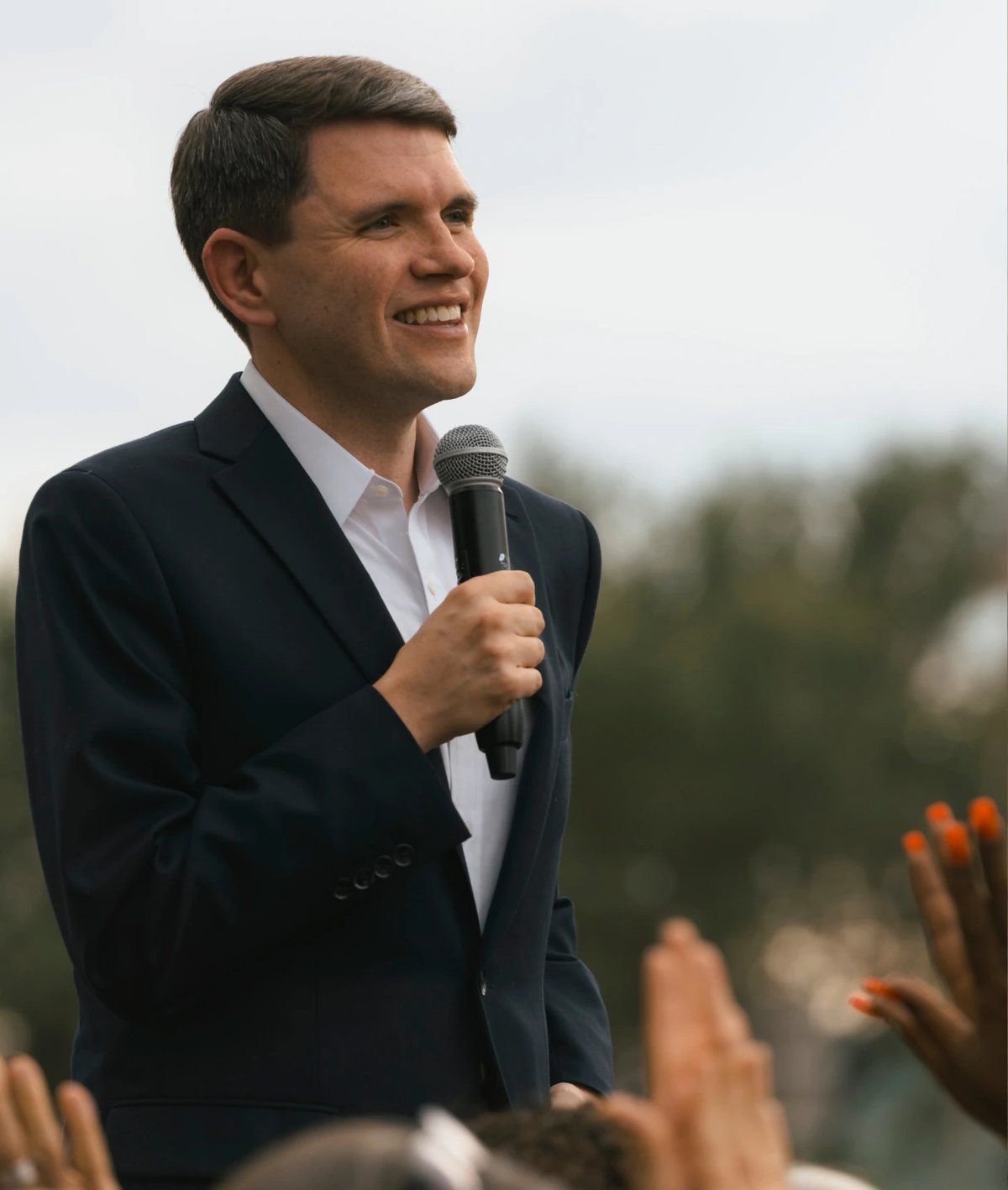



Who We Are. Who We Support.
CommonSense Democrats is a national political action committee built and led by experienced campaign operatives who have served in every position of a campaign, from field organizing and finance to communications, data, operations, and senior strategy. We have run races at every level, won tough fights, and seen firsthand what it takes to support candidates and serve communities. That experience drives everything we do. We back leaders who reflect the values shown below, the kind of leaders our neighborhoods deserve.
Policy Priorities
We focus on issues that impact everyday Americans
- Streamline housing approvals to fast-track affordable housing without sacrificing meaningful community input
- Promote balanced policies that protect homeowners while expanding rental opportunities
- Invest in sustainable urban planning that benefits residents, workers, small businesses, and families, not just developers
- Implement community-based policing models to rebuild trust and improve safety
- Expand alternative response programs for nonviolent crises, including mental health incidents and substance-related emergencies
- Support crime prevention initiatives that focus on youth intervention, job creation, treatment access, and neighborhood stability
- Reduce bureaucratic barriers to encourage entrepreneurship while maintaining responsible oversight
- Invest in workforce training and apprenticeship programs that prepare workers for modern industries, including clean energy, construction, advanced manufacturing, cybersecurity, health care, and AI-enabled business operations
- Provide targeted tax incentives for businesses that create local jobs, pay fair wages, and reinvest in their communities
- Increase funding for public schools while ensuring financial accountability and measurable outcomes
- Expand access to STEM, vocational, and trade education so students have multiple career pathways
- Teach practical digital and AI literacy so students, workers, and small business owners can use new tools safely, productively, and competitively
- Reduce overreliance on standardized testing while strengthening curricula that promote problem-solving, critical thinking, communication, and civic responsibility
- Advocate for Washington, D.C. statehood to secure full voting rights and representation
- Enhance infrastructure investments to improve public transportation, sustainability, grid reliability, water systems, and broadband access
- Encourage greater municipal control so local governments can tailor policies to their needs while protecting fundamental rights
CommonSense Democrats reject the false choice between technological leadership and public accountability. America should lead the world in AI and advanced technology, but that leadership must be built on trust, transparency, strong communities, competitive markets, reliable infrastructure, and real benefits for working families.
AI, Innovation, and Workers
- Lead in responsible AI innovation by supporting research, startups, small business adoption, public-private partnerships, and American competitiveness while requiring clear standards for safety, security, accountability, and human oversight
- Protect privacy, civil rights, and due process by opposing black-box government decisions in policing, benefits, housing, health care, education, employment, and immigration. When AI affects a person's rights, safety, or livelihood, people deserve notice, explanation, human review, and a meaningful appeal process
- Modernize government with practical technology by using AI and automation to reduce backlogs, improve constituent services, detect waste and fraud, and make public agencies more responsive, without replacing public accountability with vendor-driven systems
- Prepare workers for the AI economy through reskilling, apprenticeships, community college programs, portable credentials, and small business training so technology creates opportunity instead of leaving workers behind
Join the Movement
CommonSense Democrats is powered by people like you who believe in common-sense governance
Our Perspective
Insights and commentary on pragmatic leadership and policy solutions
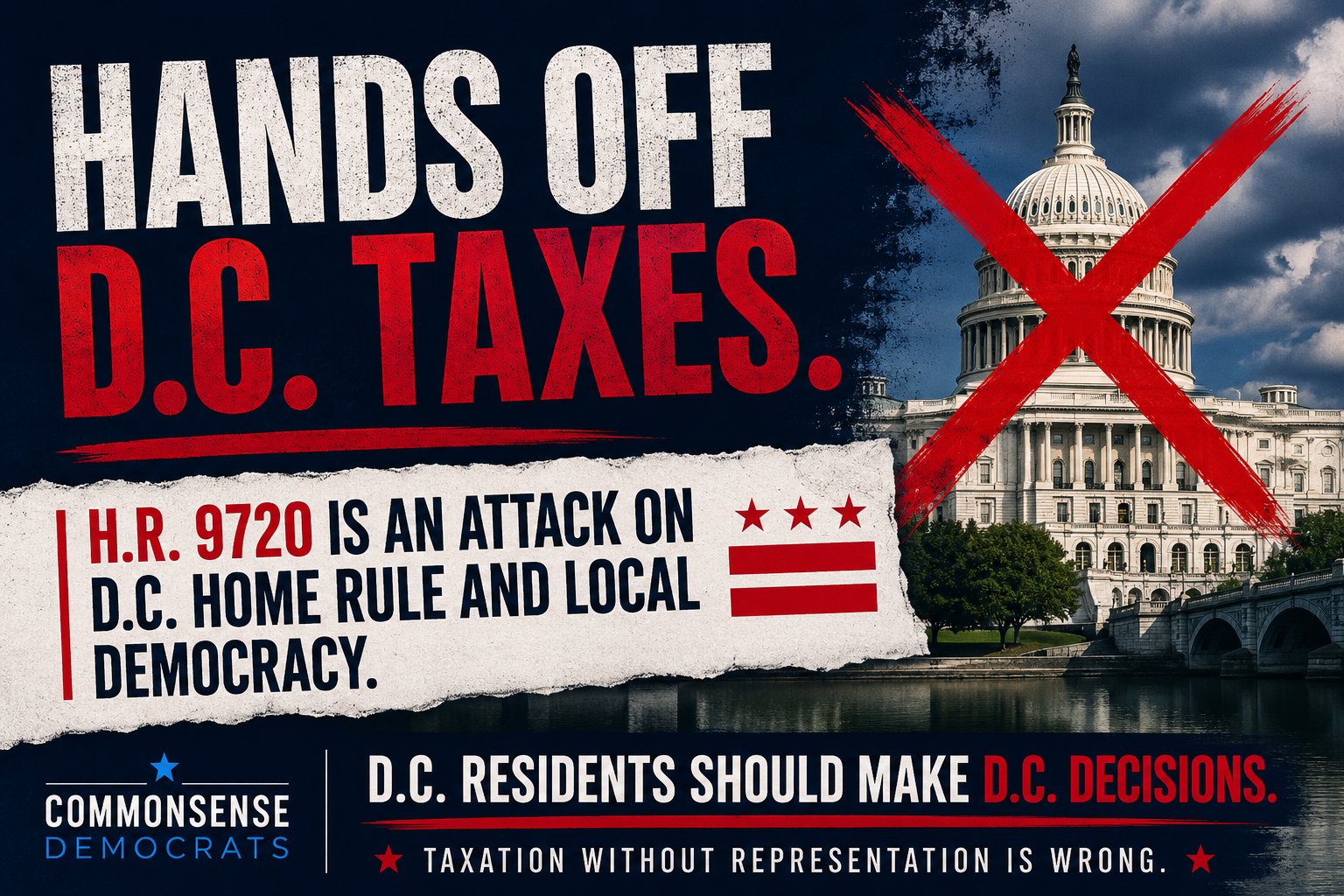
Congress Should Keep Its Hands Off D.C.'s Tax Code
H.R. 9720 would give federal lawmakers a new veto over local fiscal decisions and further weaken the democratic rights of District residents.

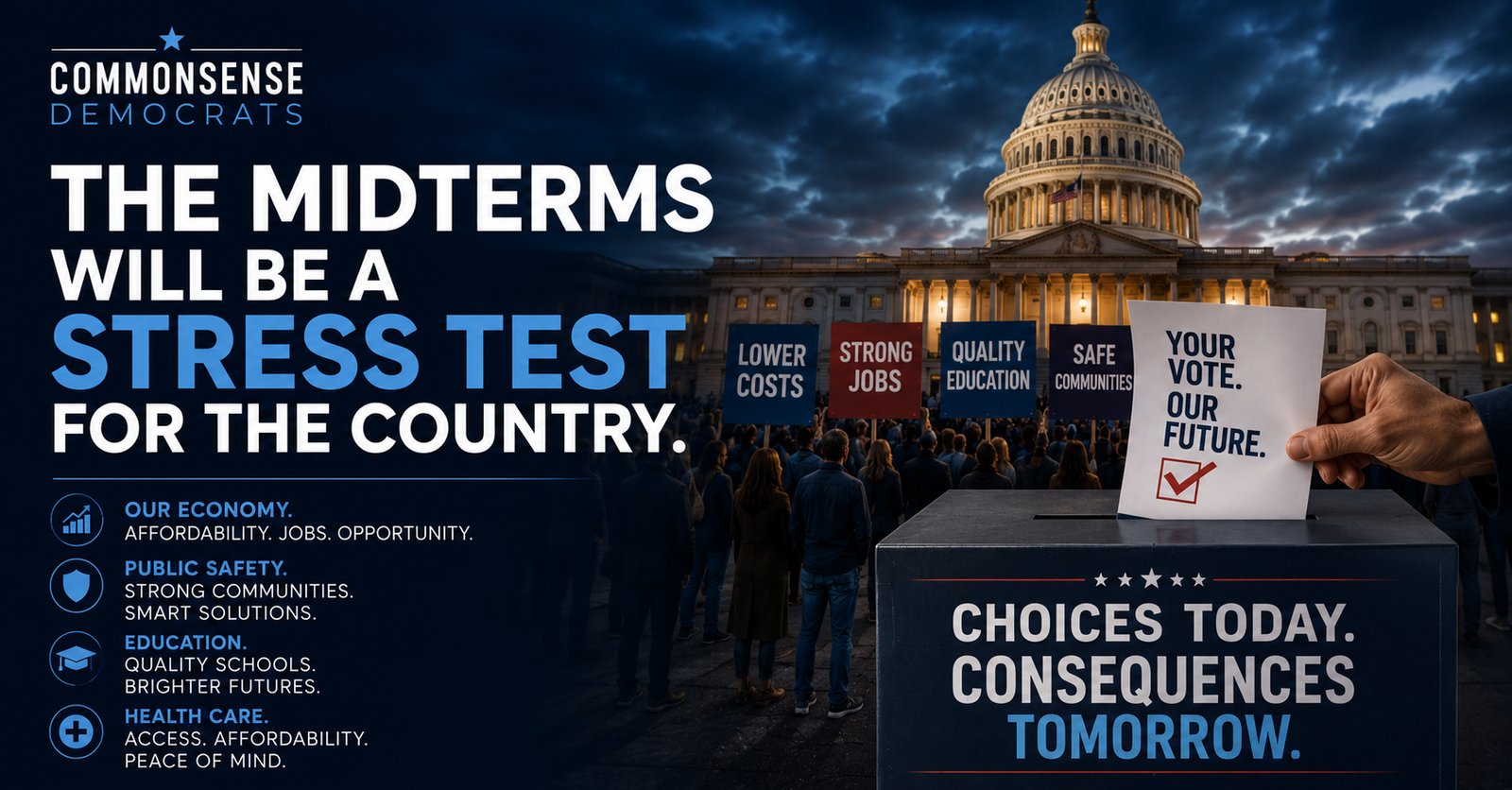
Every election cycle, candidates try to control the conversation. But heading into the 2026 midterms, there is no clever way around the central issue in American life...
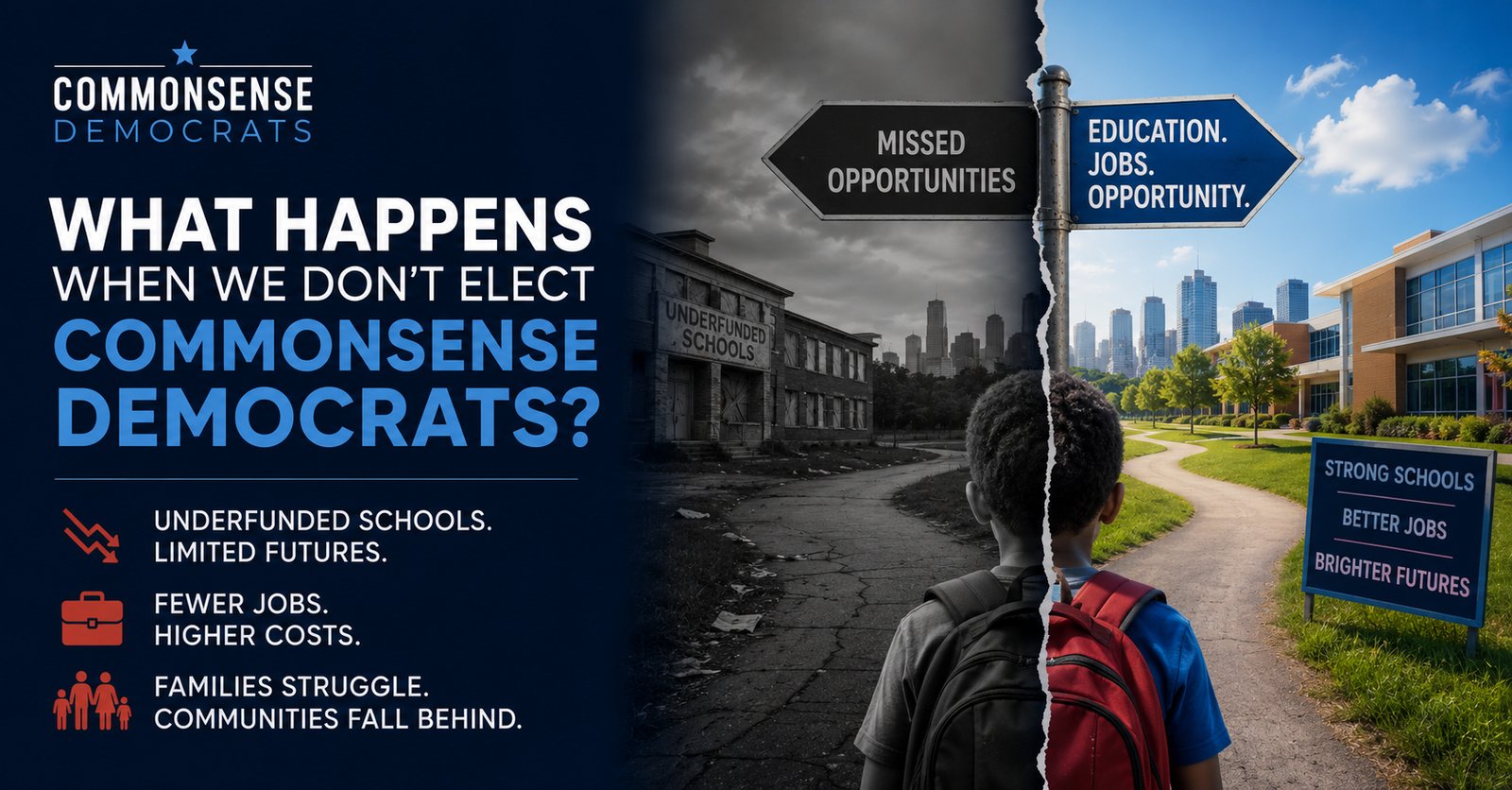
Education is often discussed as if it begins and ends inside a classroom. But education is bigger than a building...
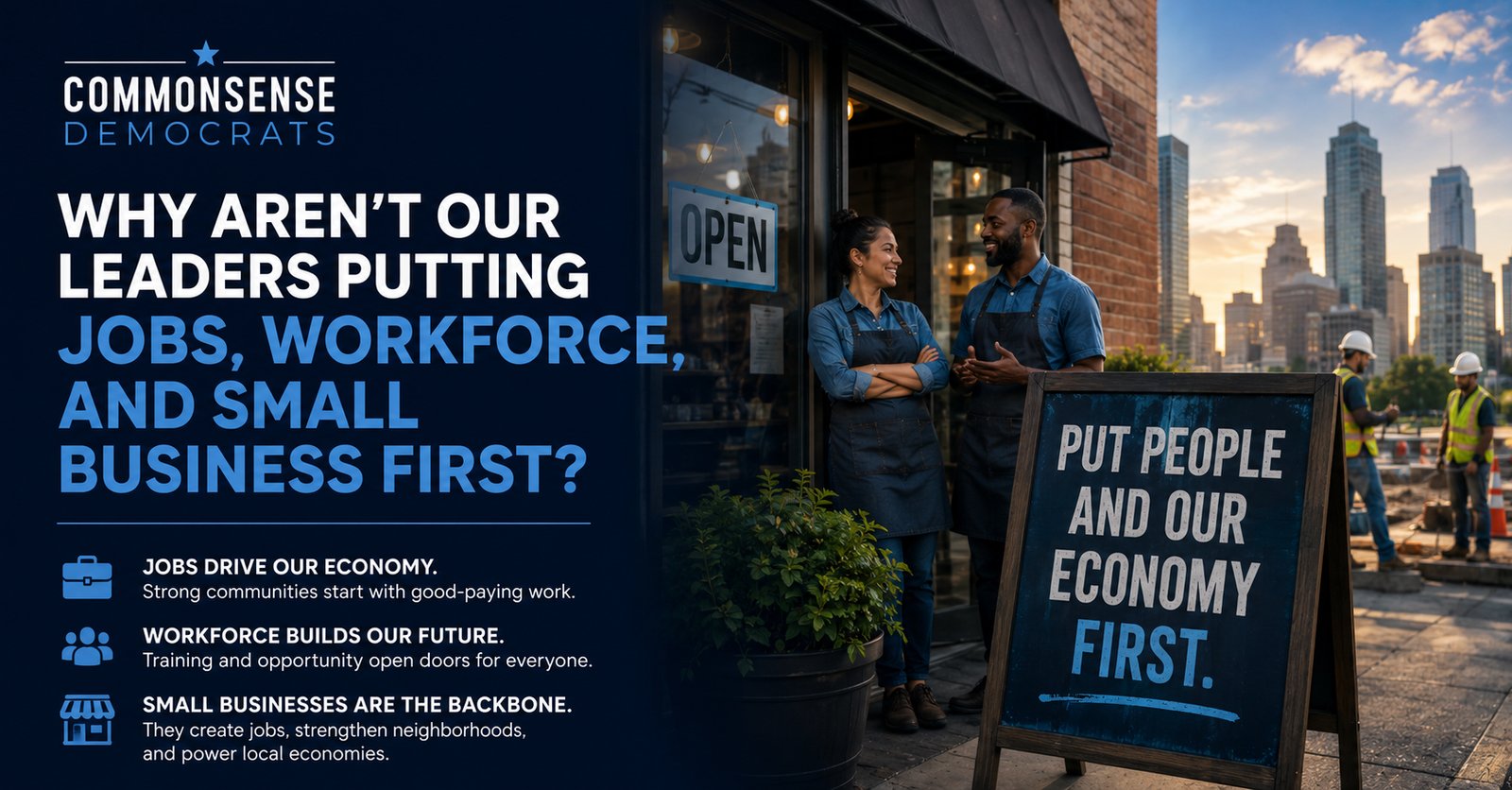
In communities across the country, the message is loud and clear: people want to work, build, and grow. They want their children to have opportunities to succeed without having to leave their hometowns...
You can feel it. Confidence in Congress is thinning out. Voters are tired of performance politics...
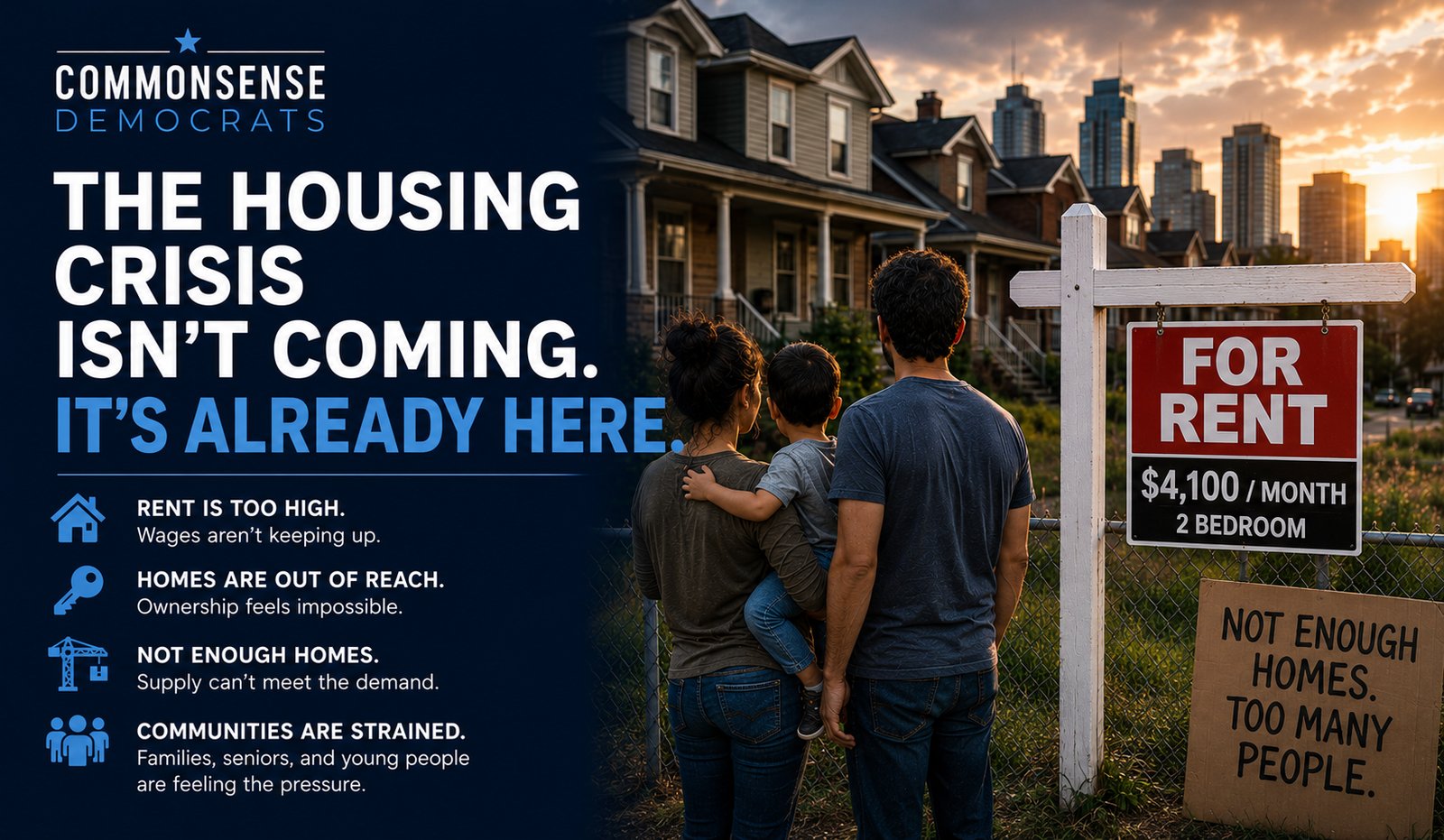
The American Dream used to include a home, a little stability, and the belief that hard work could turn today's paycheck into tomorrow's security. For too many Americans, that dream now looks like five roommates, a rent increase, or a down payment that moves further out of reach every year...

Public safety has become one of the most abused phrases in American politics. Meanwhile, most Americans are not living inside those slogans. They are living real lives...
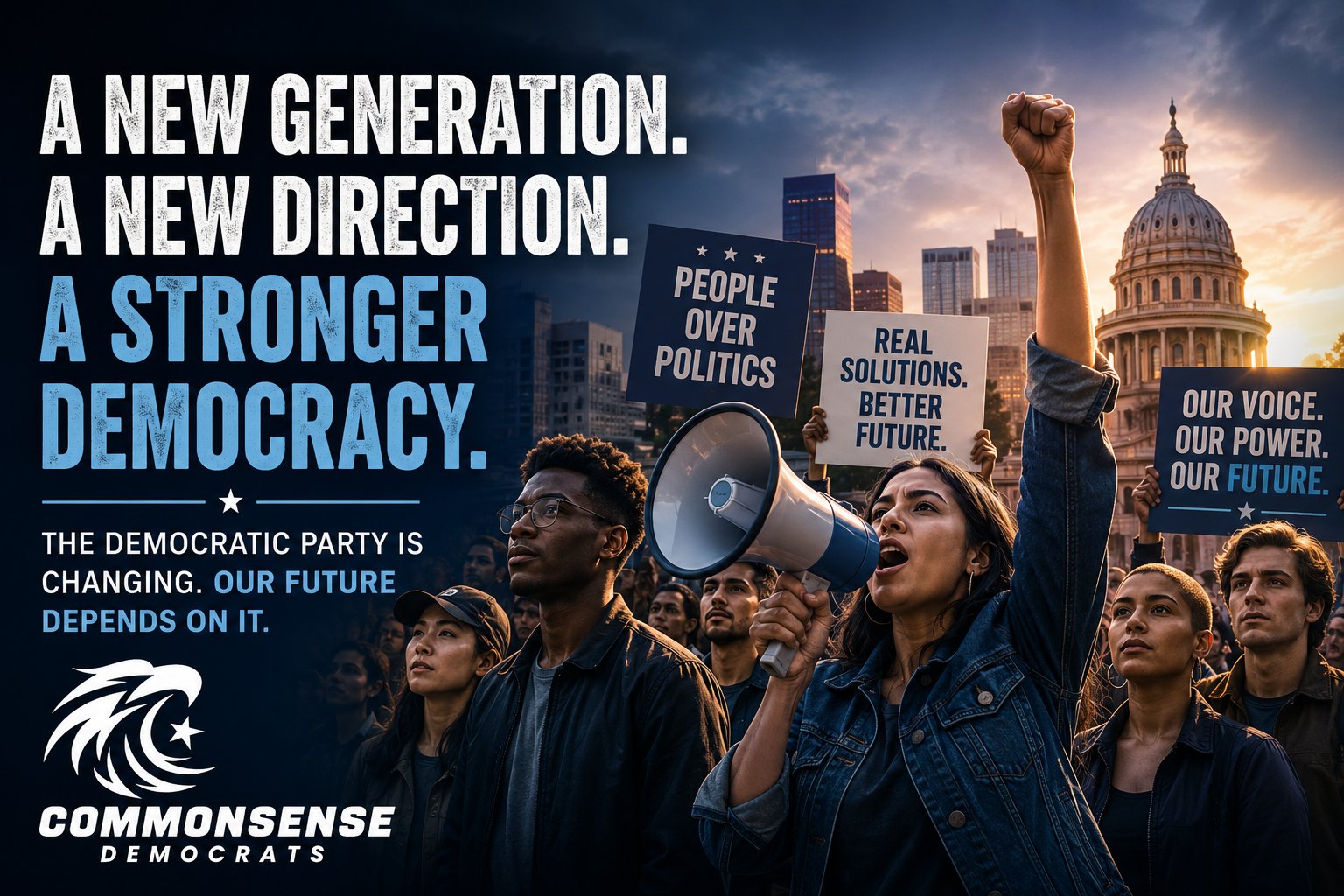
Over the last several weeks, Democratic primary elections across the country have revealed something party leadership should not ignore...
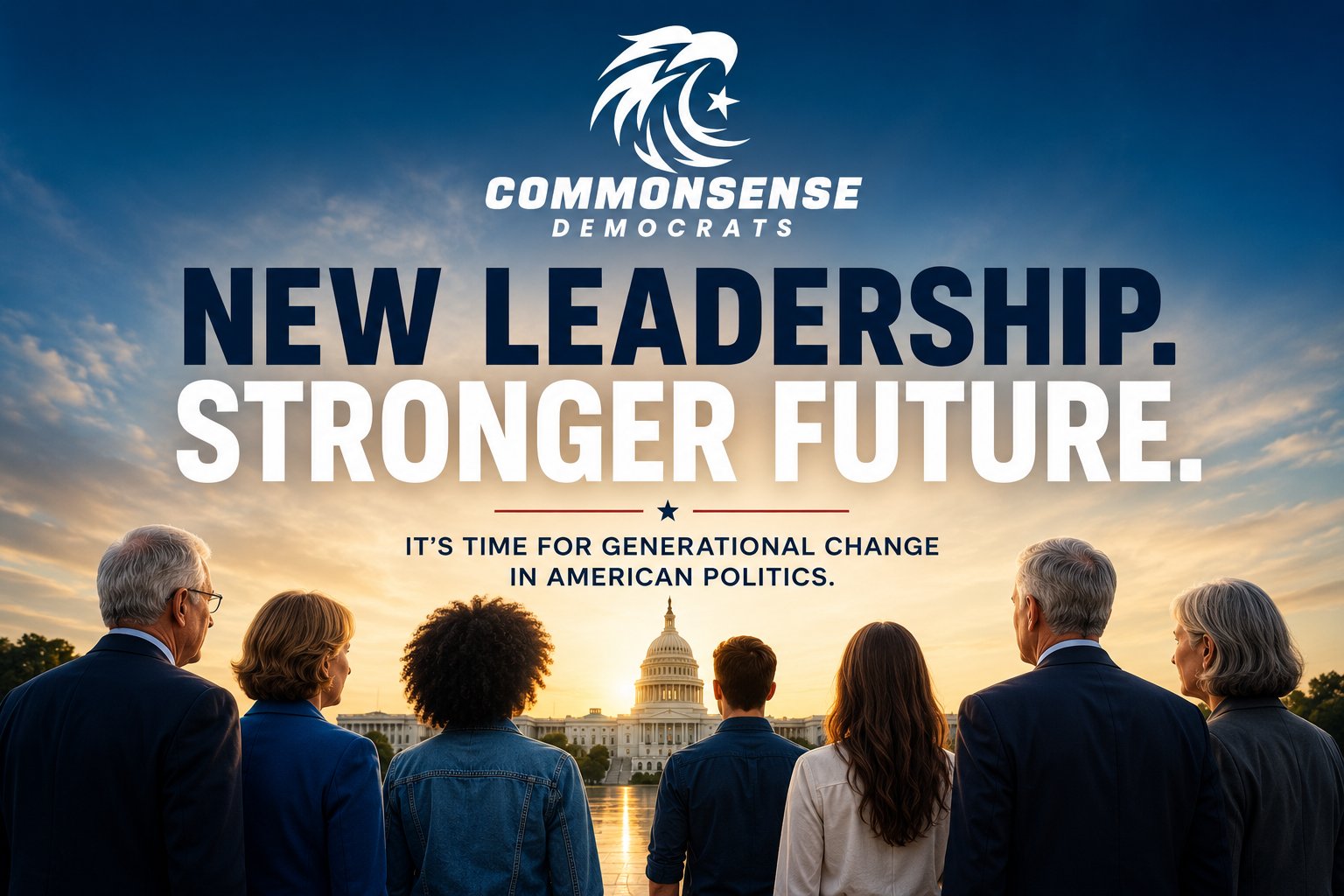
Across the United States, trust in political institutions is waning, polarization is deepening, and voters, especially younger ones, are disengaging from a system that feels stagnant and unresponsive...

For many Americans living in Texas, accessing medical marijuana is not simply a policy debate. It is a daily struggle against restrictive laws, limited access, high costs, and lingering stigma...
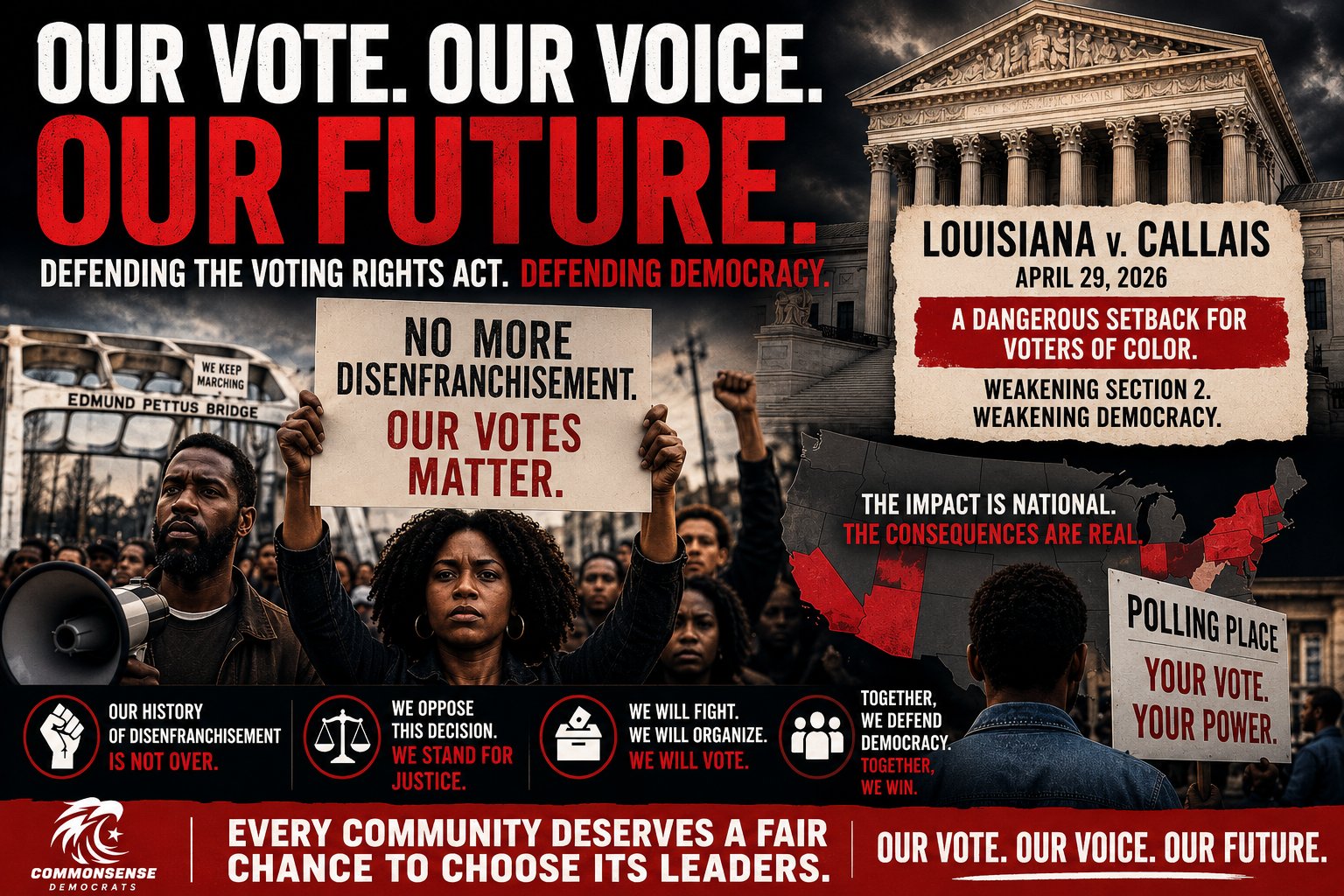
The Supreme Court's decision in Louisiana v. Callais is a dangerous setback for voting rights, fair representation, and the promise of equal participation in American democracy. By weakening Section 2 of the Voting Rights Act, the Court has made it harder for communities of color to challenge maps that dilute their voting power.
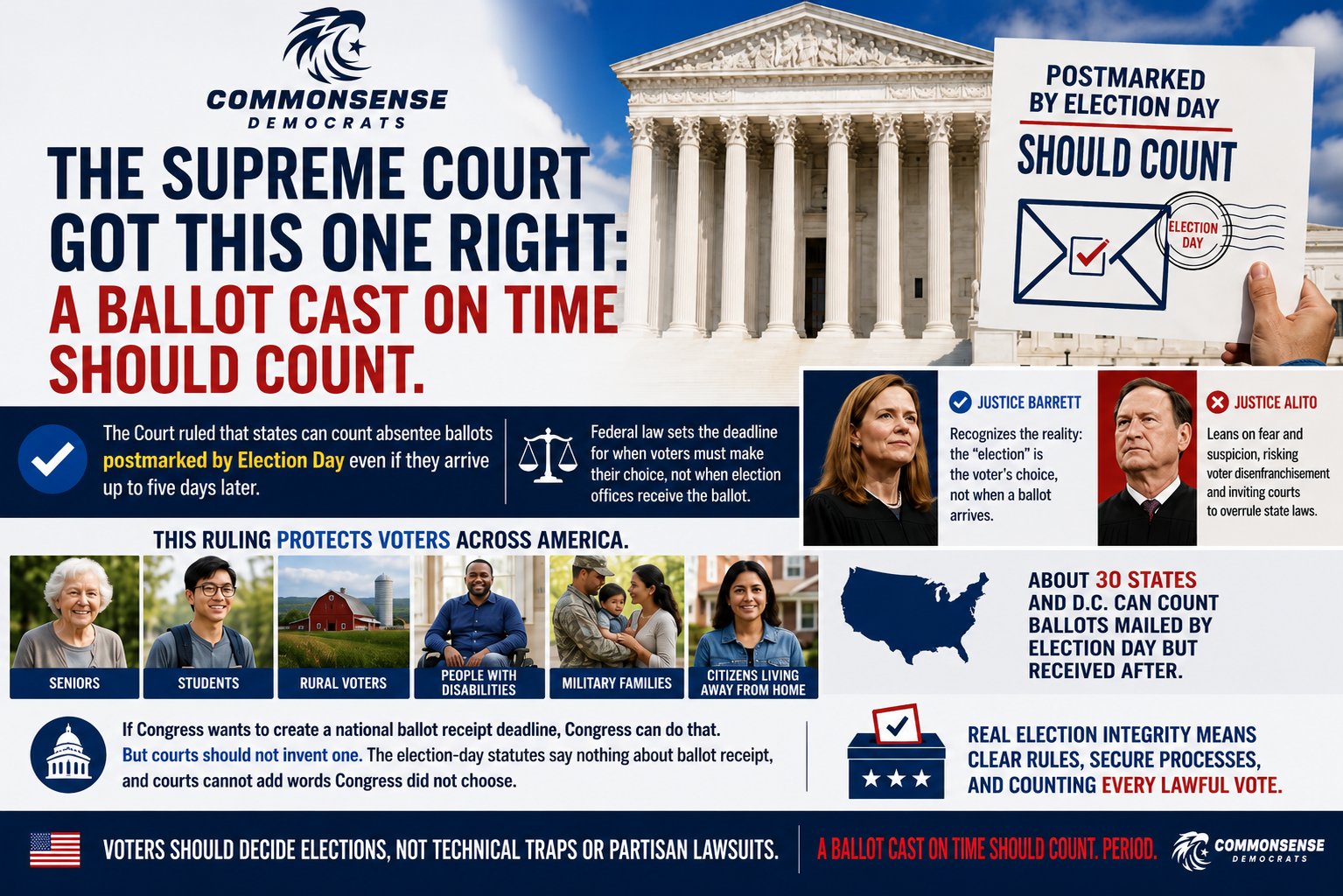
Today's Supreme Court decision in Watson v. Republican National Committee is a victory for voters, for common sense, and for the basic principle that lawful ballots should not be thrown out because the mail moves slower than democracy.
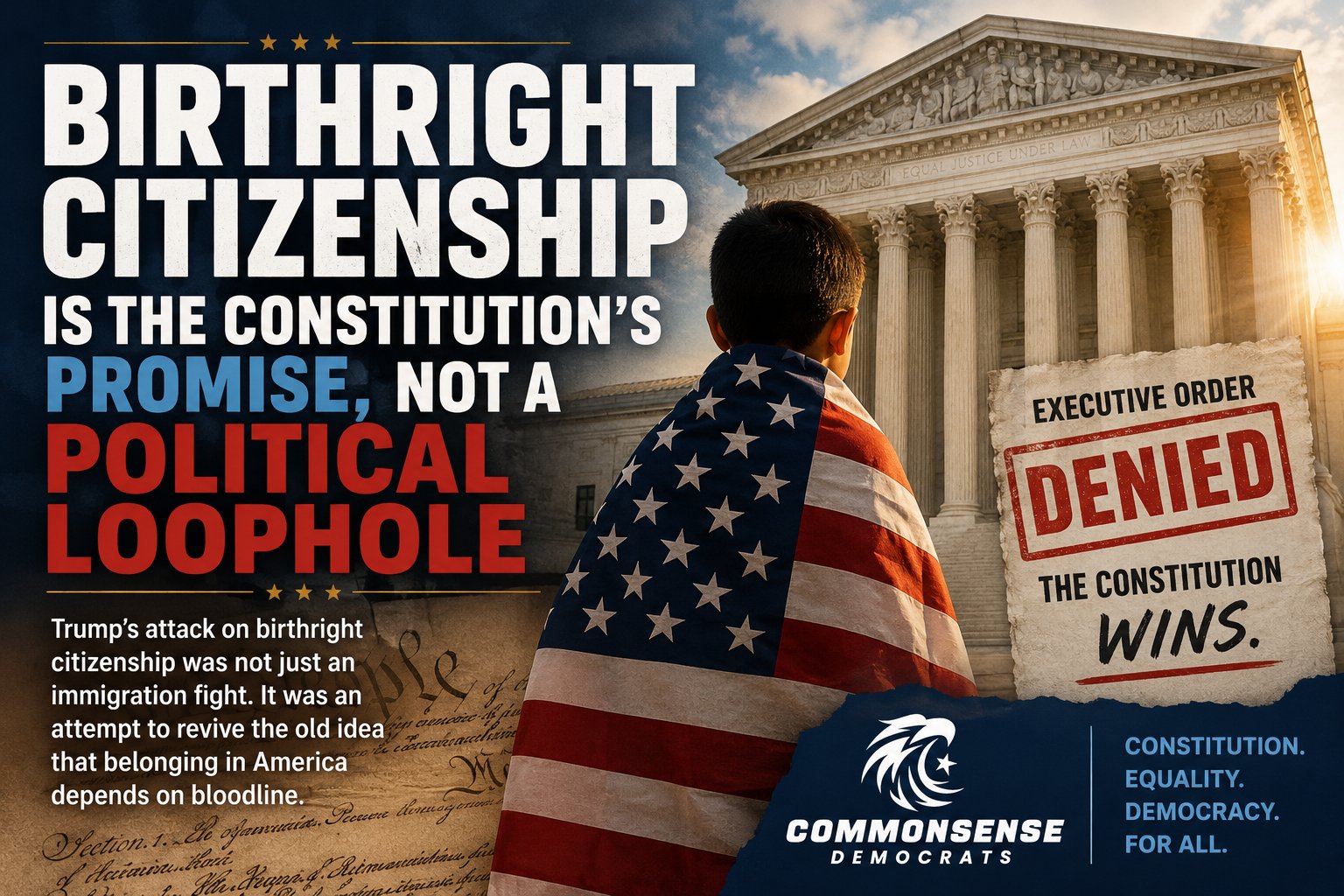
Trump's attack on birthright citizenship was not just an immigration fight. It was an attempt to revive the old idea that belonging in America depends on bloodline. The Supreme Court got this one right in Trump v. Barbara.
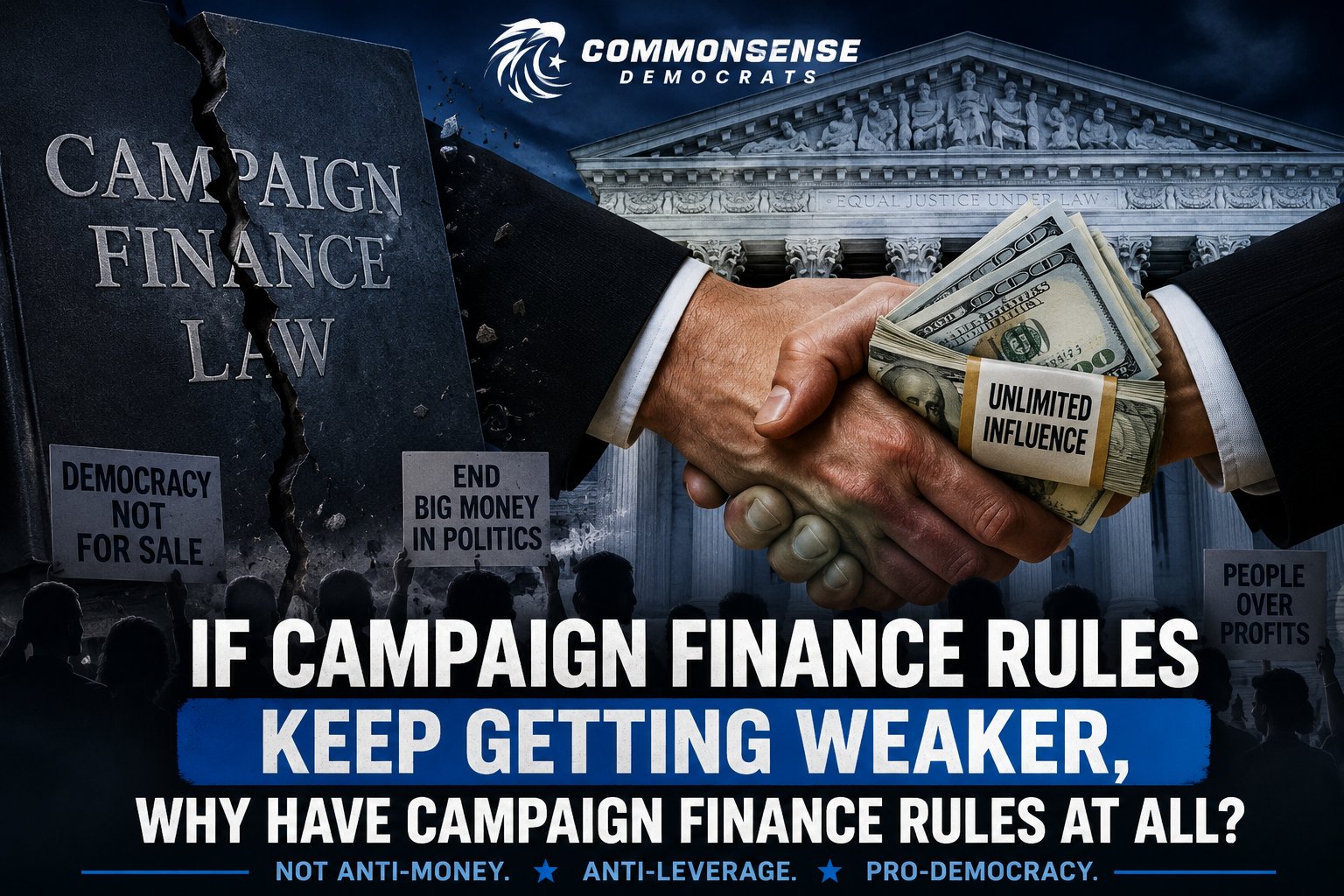
The Supreme Court's decision in National Republican Senatorial Committee v. Federal Election Commission raises a question bigger than one campaign finance statute: if the Court keeps weakening campaign finance rules, what purpose does campaign finance law still serve?
Fuel Independent Leadership
CommonSense Democrats is structured as a Hybrid PAC, which means we operate two legally separate accounts under federal law.
However, the engine of our impact is our Independent Expenditure Account.
That is where your support makes the greatest difference.
Federal law allows political committees to operate an account dedicated exclusively to independent advocacy. This account allows us to:
- Raise unlimited contributions from individuals
- Accept corporate support
- Fund digital advertising, streaming, mail, voter education, and large-scale messaging
- Support candidates without coordinating with their campaigns
Independent expenditures allow us to communicate directly with voters at scale. They allow us to act quickly. They allow us to compete.
If you want CommonSense Democrats to amplify pragmatic leadership across the country, this is the account that powers that work.
Donate to the Independent Expenditure Account
When you click Donate, you will be directed to contribute to our Independent Expenditure Account, where your support has the greatest reach and flexibility under federal law.
There is no contribution limit for the Independent Expenditure Account.
All contributions are publicly disclosed in accordance with Federal Election Commission regulations. Federal law requires us to collect contributor name, address, occupation, and employer.
Contributions are not tax deductible.
Independent expenditures are not made in coordination with any candidate or campaign.
Advocate Circle
Up to $50,000
Support our mission with meaningful contributions
Leadership Circle
$50,001–$250,000
Join strategic discussions and shape our direction
Strategy Council
$250,001–$500,000
Non-voting member with insider access to campaign strategy
National Strategy Board
$500,000 and above
Voting member with direct influence on national priorities
As a Hybrid PAC, we also maintain a separate Federal Contribution Account that can make limited direct contributions to candidates.
That account is subject to a $5,000 annual limit per individual and cannot accept corporate contributions.
While important, it is not the primary vehicle for scaling our impact.